Aruvikkara Reservoir
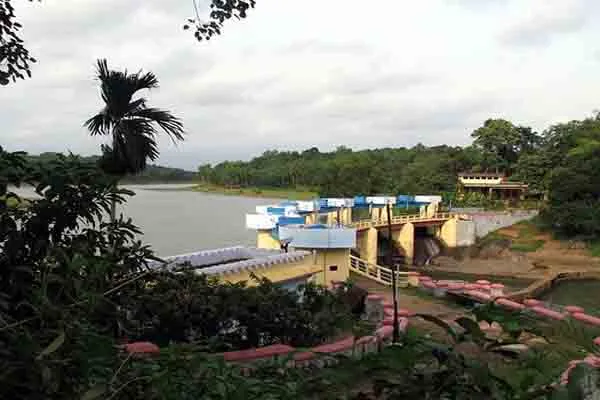
Aruvikkara dam is situated 16 km from the city of Thiruvananthapuram, kerala.Aruvikkara Dam in Trivandrum is a favorite destination for a tourist which is dotted with lavish scenic beauty. Indulge in an expedition to the nearby sightseeing destinations in Trivandrum.Travel to Aruvikkara Dam while taking an excursion around Trivandrum, which is a striking picnic spot situated along the banks of the Karamana River. The temple of the goddess Durga which is located quite close to the Aruvikkara dam…
About Aruvikkara Reservoir
Aruvikkara dam is situated 16 km from the city of Thiruvananthapuram, kerala.Aruvikkara Dam in Trivandrum is a favorite destination for
a tourist which is dotted with lavish scenic beauty. Indulge in an expedition to the nearby sightseeing destinations in Trivandrum.Travel to
Aruvikkara Dam while taking an excursion around Trivandrum, which is a striking picnic spot situated along the banks of the Karamana
River. The temple of the goddess Durga which is located quite close to the Aruvikkara dam surely merits a visit.
Interesting things to Visit
Aruvikkara Devi Kshetram (Durga Temple):
This Temple is situated near the Dam. Near the Durga Temple here is a stream full of fish that fearlessly come close to the shore to be fed by the visitors.The fishes are considered to be holy and it is beleived that feeding of the fishes cure warts, whiteheads, blemishes etc in the skin.
Karamana Mandapam:
This Karamana Mandapam is near the Karamana Bridge on the National Highway from Thiruvananthapuram to Nagercoil. The Mandapam built by the then Maharaja of Travancore, Swathi Thirunal was used for the purpose of watching the strong gushing currents of the overflowing Karamana river.
Sastha Temple:
This is one of the famous temple in Kerala. It is beleived that Lord Hanuman at the time flying to Lanka in search of Goddess Sita, halted at this place also, and since then this Temple is a home for Monkeys. There are some Elephants at the Temple. It is surrounded by Sasthamcotta lake, the largest fresh water lake supplying fresh water to maximum areas of Kerala.
Karamana river:
Karamana river is a river flowing through the Thiruvananthapuram city, Kerala, India and its 10 km from the city. The river starts from the southern tip of the Western Ghats at “Agastyar Koodam”. The river flows 68 km westward and merges into the Arabian Sea at Thiruvallom-Karumam area near Kovalam.The land of Karamana is made fertile by the river.
Thiruvallam Backwaters:
Thiruvallam Backwaters is Situated just 6 kms from Thiruvananthapuram, the capital city of Kerala, Thiruvallam is a popular tourist Backwater destination. This serene backwater stretch is also very popular for its canoe rides. Killi and Karamana are the two rivers that come together at Thiruvallam to offers its spectators a breathtaking view. A temple dedicated to Parashurama, the legendary founder of Kerala, is also located here.
Karamana Sri Sathyawageeshwara Temple:
This places is situated at the center of Sivan Kovil Street, Karamana, Thiruvananthapuram. One of the famous temple in Kerala, in which Lord Siva incarnated as Sathyawageeshwar.
Nearest Visiting places
Napier Museum:
The Napier Museum was established by the ruler of Travancore in 1855 and is named after the then Madras Governor, General John Napier. Chisholm, its British architect, combined Kerala, Mughal, Chinese and Italian styles of architecture in his design.
Kanakakunnu Palace:
The Kanakakunnu Palace is situated near the Napier Museum in Thiruvananthapuram. This palace was constructed during the reign of His Highness Sree Moolam Thirunal.
Kuthiramalika Palace Museum:
Kuthiramalika Palace or Puthenmalika is situated on the south-eastern side of the Sree Padmanabhaswamy Temple in Thiruvananthapuram.
Sree Chitra Art Gallery :
Sree Chitra Art Gallery is Established in 1935,The art gallery has a 100 years old world famous paintings of Raja Ravi Varma, the pioneering Indian patron of art in oil painting, who was born and brought up at Kilimanoor Palace in Kerala. The Artistic grandeur of Bengal school of Arts is best exemplified here.
Padmanabhaswamy temple :
The temple is dedicated to Lord Vishnu who is seen reclining on the Anantha serpent. The temple consists of a tower built of seven stories with rising pillars and intricate carvings decorated with mural paintings. Only peoples from the Hindu religion are allowed inside the temple premises places to the eastern side of the old fort ruins.
Pozhikara Beach:
Pozhikara Beach is a nearby haunt beloved by tourists. The Karamana and Parvathy Puthanaar Rivers empty into the Arabian Sea at this spot.
The Akulam Boat Club:
Its just 8 kms away from Thiruvananthapuram is another famed tourist attraction. The club provides boating cruises on the nearby Akulam Lake. A bat ride from here to the Karamana River will cost approximately . It also houses an amusement park and a swimming pool for children. Tourists often visit this Club to picnic with friends and family.
Neyyar Wildlife Sanctuary:
Neyyar Wildlife Sanctuary is established in 1958.It is located 30 kilometers away from Thiruvanathapuram, the capital city. The Neyyar sanctuary is the drainage basin of the Neyyar river and its tributaries-Mullayar and Kallar. The Neyyar river and its tributaries flow along the entire stretch of the preserve. The irrigation dam at Neyyar receives water from the Neyyar river which originates from Agasthyakoodam hill.
Agasthyakoodam:
Agasthyakoodam is the highest peak in southern Kerala at an altitude of 1,890 m. It forms part of Western Ghats and the Agasthyavanam forest, The hill is revered by both Buddhists and Hindus. For Buddhists, it is the abode of the Bodhisattva Avalokitesvara; for Hindus it is the abode of sage Agastya, a disciple of Lord Shiva.The hills are rich in medicinal plants, herbs and many species of birds and wild animals.
Ponmudi:
An idyllic hill resort with narrow, winding pathways and cool, green, wooded environs, Ponmudi is located 913 met~s above sea level. Along with a variety of beautiful mountain flowers, exotic butterflies, small rivulets, springs and the deer park nearby, this hill station also has excellent trekking trails. Food: KTDC restaurant.
The Pareekshit Thampuran Museum :
Its archeological museum adjacent to the Shiva temple in Durbar Hall Road,Ernakulam. This museum features collections of the 19th century paintings , Pre-historic monuments , Old coins in a numismatic gallery, Scriptures in stone & Plaster of Paris, Copies of mural paintings etc & the collection from the Cochin royal family. In the earlier days the museum was the Durbar Hall of Cochin Rajas where guests were welcomed, and where official ceremonies and meetings were held. Now under the State Archaeological Department.
Kanyakumari:
This is the land`s end of India and is only 87 km from Trivandrum. This is also known as Cape Comorin. This beautiful spot is located in the neighbouring Tamil Nadu state. This place has got international recognition because of Vivekananda who started his journey from this place.
Koyikkal Palace, Nedumangad:
Located on the way to the Ponmudi Hill Station and the Courtallam waterfalls, this ancient palace dates back to the 13th century. Here you can see a double storeyed traditional Nalukettu building with slanting gabled roofs, an inner courtyard and museums of folklore and numismatics set up by the Department of Archaeology.
Vizhinjam Rock Cut Cave Temple:
There are rock cut sculptures of the 18th century in the cave temple at Vizhinjam. The granite cave here encloses a one-celled shrine with a loose sculpture ofVinandhara Dakshinamurthi. The outer wall of the cave depicts half complete reliefs of the Hindu God Shiva with Goddess Parvathi.
Veli tourist Village:
The Veli Tourist Village is sandwiched between the Veli Lagoon and the Arabian Sea. The lagoon here is separated from the sea by a narrow sand bar. Facilities at the village include water sports in the lagoon and 18 acre waterfront park with a floating bridge that connects the village to the beach.
The Fishing Village:
The village near Poovar is largely inhabited by fisher-folk. The fishermen here make a living by fishing in the old-traditional ways. They live a unique water-based lifestyle completely relying on the river and sea for everything from their daily livelihood to transportation.
Vizhinjam:
Vizhinjam is located close to the Kovalam Beach, has a small sea port. There are a multitude of internationally acclaimed beach resorts and Ayurvedic treatment centers in and around Vizhinjam.
Crocodile-watching Expeditions:
Embark on an exciting crocodile watching expedition – a popular crowd-puller here. Watching the amphibians at a close range is sure to enthrall spectators. On a bright sunny day one can view crocodiles basking in the sun.
Kovalam beach:
The natural beauty of this beautiful beach is what attracts people from far and wide to come here. It takes an hour from Trivandrum to reach this scenic beach, which is famous for its beach resorts. The Kovalam beach in Kerala offers the best of facilities to its visitors like sunbathing, swimming, Ayurvedic massages and plenty of other options.
Poovar beach:
Poovar beach is one among the natural wonders where the Lake, River, Sea and Beach meet the land and it is located in poovar near kovalam, Thiruvananthapuram district, Kerala, India.Poovar Beach separates the Neyyar River from the sea. Essentially a fishing village, it is a beautiful and unexplored beach resort. This stunning location has been successful in attracting many tourists over the years.
Help Line/Phone Number
Link:
Vizhinjam Rock Cut Cave Temple
Karamana River
Padmanabhaswamy Temple
Varkala City
Fairs and Festivals in Kerala – The Great Elephant March
Dams & Reservoirs in Kerala – Anayirankal Reservoir
Rivers in Kerala – Bharatapuzha River
Rivers in Kerala – Karamana River
Backwater in Kerala – Akkulam Boat Club Backwaters
Location info
-
Address: Aruvikkara, Thiruvananthapuram, Kerala, India.
-
District: Thiruvananthapuram District.
-
Nearest Cities: Kanyakumari, Madurai, Kochi, Nedumangad, Kollam, and Trivandrum.
-
Best Time to Visit: August to March.
Climate & weather
-
Climate Type: Tropical monsoon climate.
-
Average Temperature: 25°C to 32°C (77°F to 89.6°F).
-
Monsoon Season: June to September.
-
Winter Season: November to February.
-
Summer Season: March to May.
-
Best Months for Clear Weather: December to February.
History of Aruvikkara Reservoir
The Aruvikkara Reservoir, situated on the Karamana River near Thiruvananthapuram, Kerala, has been integral to the region’s water
supply and cultural heritage. Constructed in the 1930s, the Aruvikkara Dam was primarily designed to provide piped drinking water to
the city. The Trivandrum Water Works, inaugurated by Lord Willingdon in 1933, has since managed the distribution of water from this
reservoir. To address the city’s growing water demands, the Peppara Dam was built upstream in 1983, regulating the flow into the
Aruvikkara Reservoir and ensuring a consistent water supply.
Beyond its utilitarian role, the reservoir area is a popular tourist destination, known for its scenic beauty and the nearby ancient Bhagavathi
Temple dedicated to Goddess Durga. Visitors often engage in feeding the fish in the stream near the temple, adding to the locale’s charm.
Things to do at Aruvikkara Reservoir
-
Aruvikkara Dam: Enjoy scenic views and learn about its water supply role.
-
Aruvikkara Bhagavathi Temple: Experience local culture at this revered temple.
-
Picnic Spot: Relax by the reservoir with family and friends.
-
Photography: Capture stunning views, especially at sunrise or sunset.
-
Bird Watching: Spot local bird species, best in the early morning.
-
Nearby Attractions: Visit Trivandrum Zoo, Padmanabhaswamy Temple, and Veli Tourist Village.
How to reach Aruvikkara Reservoir
By Air: The nearest airport is Trivandrum International Airport, approximately 26 km away. From the airport, you can take a taxi or local bus to reach Aruvikkara.
By Train: The closest railway station is Thiruvananthapuram Central, around 16 km from Aruvikkara. From the station, taxis and buses are readily available for a short drive to the dam.
By Road: Aruvikkara is well-connected by road. Regular bus services are available from Thiruvananthapuram and nearby towns. Alternatively, you can drive or hire a taxi for a more comfortable journey.
By Bus: State and private buses run frequently from Thiruvananthapuram and surrounding areas to Aruvikkara, making it easily accessible by public transport.
Hotels & accommodation nearby
-
Hotel Horizon: ~15 km from Aruvikkara, offers comfortable rooms and dining.
-
KTDC Golden Peak: ~30 km away in Ponmudi, scenic views and peaceful lodging.
-
Nedumangad Residency: Budget-friendly, 5 km from Aruvikkara with basic amenities.
-
The Central Residency: ~18 km away, premium rooms and dining options.
-
Homestays: Within 10 km, offering local experiences and budget-friendly stays.
Nearest petrol pump
-
Indian Oil Petrol Pump: Located approximately 5 km from Aruvikkara, near Nedumangad. This station provides fuel services along with basic amenities.
-
Bharat Petroleum Petrol Pump: Situated around 7 km away on the Thiruvananthapuram-Nedumangad Road, offering 24-hour service.
-
HP Petrol Pump: About 8 km from Aruvikkara, in the direction of Trivandrum, providing fueling options and a small convenience store.
-
Reliance Petrol Pump: Located 10 km away near the main highway, offering fuel, air, and basic restrooms.
Mobile network coverage
-
Network: BSNL, Airtel, Jio, and Vodafone-Idea cover the area.
-
Signal: Generally reliable near the dam, with some variation.
-
Data: 4G/LTE available; speeds vary by provider and spot.
-
Emergency: Local authorities reachable with good connectivity.
Things to carry
-
Water Bottle: Stay hydrated while exploring, as walking around the dam and surrounding areas may require some exertion.
-
Sun Protection: Carry sunscreen, sunglasses, and a hat to protect against the sun, especially if visiting during peak hours.
-
Comfortable Footwear: Wear comfortable walking shoes, as you may need to walk or hike around the area for sightseeing.
-
Camera/Phone: Bring a camera or smartphone to capture the scenic beauty and memorable moments at Aruvikkara Dam.
-
Snacks: Pack some light snacks, as there may be limited food options around the dam area.
-
Binoculars: Ideal for bird watchers, as the area is home to a variety of bird species.
-
First Aid Kit: Carry a basic first aid kit with band-aids, antiseptics, and any personal medications you may need.
-
Insect Repellent: If visiting during monsoon or evening hours, an insect repellent can help avoid insect bites.
Tips & suggestions
-
Visit Early: Arriving early in the morning will help you avoid crowds and enjoy a peaceful atmosphere around the dam.
-
Check Weather Forecast: It’s a good idea to check the weather forecast before your trip, especially during the monsoon season when rain can disrupt plans.
-
Respect Local Customs: If visiting temples or interacting with locals, be respectful of cultural practices and dress modestly.
-
Avoid Littering: Help keep the area clean by disposing of waste responsibly and avoid littering near the dam and other natural surroundings.
-
Stay Hydrated: Carry water, especially on warm days, as the walking trails may require some physical exertion.
-
Safety First: If exploring the dam or water areas, follow all safety guidelines and avoid restricted zones to ensure a safe visit.
-
Plan for Limited Connectivity: Mobile network connectivity can vary, so download maps or guides in advance if needed.
-
Be Prepared for Wildlife: While rare, sightings of local wildlife can occur; remain calm and do not disturb animals in their natural habitat.
Food & restaurants nearby
Food options are available in the nearest town. Kerala cuisine — fish curry, appam with stew, puttu, and Kerala sadhya — is widely available and famously delicious.
Accessibility
Accessibility information is not currently available for this site. Contact the venue directly or check with your accommodation for the latest accessibility details.
Rules & restrictions
Standard visitor rules apply. Check locally for any specific restrictions at this site.
Best photography spots
The best photography spots are typically during the golden hours (early morning and late afternoon). Scout the location first to identify the best angles, and consider the direction of light at different times of day.
Best time to visit Aruvikkara Reservoir
The best time to visit Aruvikkara Reservoir is from November to February when the weather is pleasant and the reservoir is full from the monsoon rains. Post-monsoon (October–December) offers scenic views with lush green surroundings. Summer months see lower water levels but easier access.
Timings & opening hours
Dams are typically open to visitors from 9:00 AM to 5:00 PM on weekdays. Some dams restrict access during monsoon months (June–September) due to safety concerns. Check with the Kerala State Electricity Board for specific timings.
Entry fee & tickets
Entry to dam viewing areas typically costs INR 10–30 per person. Boating charges are extra: INR 100–300 for speed boats and INR 50–150 for pedal boats. Parking fees apply.
Duration needed
1–2 hours to view the dam, explore the reservoir area, and enjoy boating if available. Picnic areas near dams can extend the visit.
Safety tips
Do not swim or bathe in the reservoir near the dam structure. Stay behind safety barriers and observe warning signs. Be cautious of sudden water release from the dam. Do not venture into restricted areas. Follow instructions from security personnel and dam authorities.
Nearest airport, railway & bus
Nearest Airport: Cochin International Airport (COK) (approximately 0 km). Nearest Railway Station: Ernakulam Junction / Ernakulam Town Railway Station. The destination is well-connected by Kerala State Road Transport Corporation (KSRTC) buses and private taxis from major towns.
Frequently asked questions
Is boating available at the dam? — Many dams in Kerala offer boating facilities — speed boats, pedal boats, and rowboats are common. Charges range from INR 100–500 per person. Availability varies by season. Can I walk on the dam wall? — Walking on the dam wall is permitted at some dams (within designated areas) and restricted at others for safety reasons. Follow local signage. What is the best time to visit? — Post-monsoon (October–January) when the reservoir is full and the surroundings are lush green.
Quick facts
- Type: Tourist Attraction
- State: Kerala
- Category: Dams Reservoirs
Visitor information
Please check locally for current visitor information.
Map & location view
This section is being updated and will be available shortly.
Photo gallery of Aruvikkara Reservoir
Video gallery
Related destinations

Alumkadvu Dam
Alumkadvu Dam is one of the notable places to visit in Kerala.
Anayirankal Reservoir
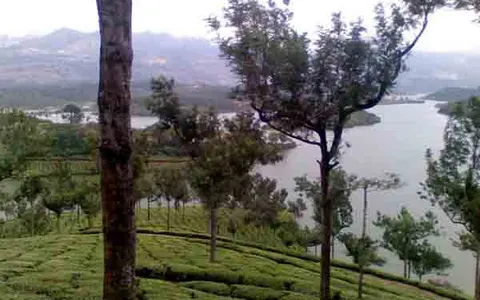
Anayirankal Dam is situated in 22 km from munnar, Idukki distric, kerala. Anayirankal is surrounded by tea plantations and evergreen forests. The Anayirankal dam…
Banasura Sagar Dam
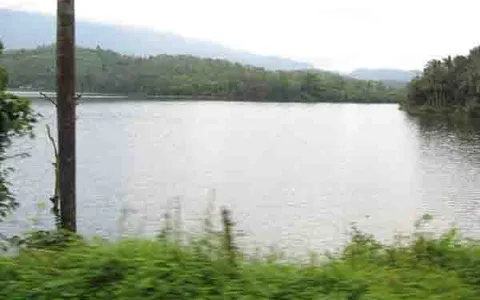
The Banasura Sagar Dam is located 21 km from Kalpetta, Waynad district which impounds the Karamanathodu tributary of the Kabini River, is part of the Indian…