KURUVATTI
KURUVATTI is one of the notable places to visit in Karnataka.
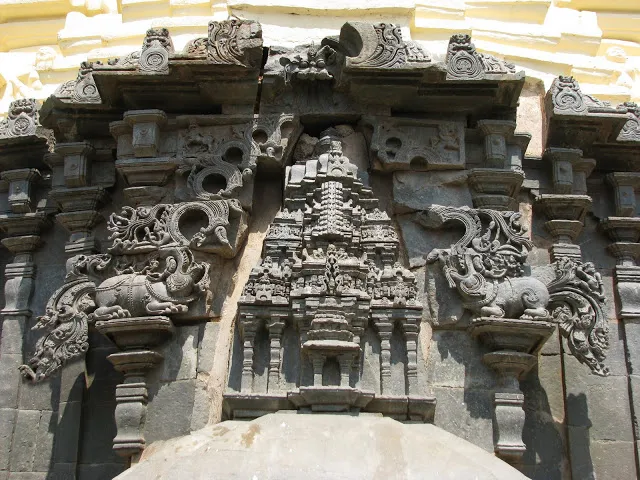
About KURUVATTI
KURUVATTI is one of the notable places to visit in Karnataka.
Nearest visiting places
- Daroji Sloth Bear Sanctuary
Hampi near Hospet, in Bellary district is a renowned world heritage centre. The unique Sloth Bear sanctuary is situated very close to this heritage site. Situated only 15 kilometers from Hampi, Daroji Sloth Bear Sanctuary is the only sanctuary in North Karnataka
- Narihalla Dam
Narihalla reservoir, on the way to sandur town, 25 kms from bellary, a little known little explored place, provides a lot of opportunities for photography and explorations. The redness of the soil and the lake water shows the presence of iron ore beneth
Location info
karnataka.
Mobile network coverage
Airtel, Jio, BSNL, and Vi all provide coverage across Karnataka. 4G is reliable in Bangalore, Mysore, Mangalore, Hubli, and along highways. Coverage may be weaker in deep forest areas of Bandipur, Nagarhole, and certain Western Ghats sections. Most hotels, resorts, and cafes in tourist areas offer free Wi-Fi.
Food & restaurants nearby
Food options are available in the nearest town. Karnataka cuisine ranges from coastal seafood to Udupi vegetarian to Coorg’s pandi curry. Dosa, idli, bisi bele bath, and filter coffee are iconic.
Hotels & accommodation nearby
Accommodation is available in the nearest town or city. Options range from budget lodges to luxury resorts. Booking ahead during Dasara (Mysore) and peak winter season is recommended.
Climate & weather
Karnataka has a varied climate from the humid coast to the dry Deccan plateau and cool Western Ghats. The best time to visit is October to March, with temperatures ranging from 15°C to 30°C depending on region. April–May is hot across most of the state (up to 38°C). The southwest monsoon (June–September) brings heavy rain to the coast and ghats but transforms the landscape — this is the best time for Jog Falls and Coorg’s lush greenery. Hill stations (Coorg, Chikmagalur) remain pleasant year-round. Bangalore has a moderate climate throughout.
Helpline & emergency contacts
Tourist Helpline: 1364 (toll-free, 24×7). Police: 112 (all-India emergency). Ambulance: 108. Women’s Helpline: 1091. Karnataka Police Tourist Helpline: 112.
Nearest petrol pump
Petrol pumps are available in the nearest town or on the approach road — check locally for the closest option.
Best time to visit KURUVATTI
October to March is the best time to explore historical sites in Karnataka — pleasant weather for walking and exploring. Early morning (6:00-9:00 AM) or late afternoon (3:00-5:30 PM) offers the best light for photography and comfortable temperatures.
How to reach KURUVATTI
KURUVATTI is accessible by road from the nearest town or city. KSRTC buses connect to nearby towns. From the nearest bus stop or railway station, auto-rickshaws and taxis are available for the final leg. The site is typically well-signposted.
Timings & opening hours
Typically 6:00 AM to 6:00 PM daily. Archaeological Survey of India (ASI) protected sites have specific hours — usually sunrise to sunset. Some monuments may close earlier.
Entry fee & tickets
Entry fee: ₹10-₹30 for Indian nationals, ₹100-₹500 for foreign nationals (varies by monument significance). Camera fee: ₹25-₹50 for still cameras. Video camera: ₹100-₹200. ASI monument passes and composite tickets may be available.
Duration needed
1-2 hours for a basic visit. History enthusiasts and photographers may want to spend 3-4 hours exploring the site in detail.
Safety tips
Do not climb on fragile structures or enter cordoned-off areas. Some monuments have uneven floors and staircases — watch your step. Carry water as some sites have limited facilities. Beware of monkeys at some locations — do not carry open food. Keep valuables secure.
Things to carry
Camera for photographs, water bottles, hat/cap, sunscreen, comfortable walking shoes, guidebook or audio guide (if available), and small change for entry fees.
Nearest airport, railway & bus
Nearest railway station depends on the site’s location. Nearest airport varies. The site is typically well connected by road from the nearest town.
History of KURUVATTI
Kuruvatti is an important archaeological site in Karnataka, offering valuable insights into the region’s ancient history. Archaeological excavations have revealed evidence of early settlements, trade links, and cultural developments spanning several centuries. The site continues to be studied by archaeologists and historians for its significance.
Things to do at KURUVATTI
Explore the historical structures and ruins, admire the architectural details, photograph the monuments, learn about the site’s history through interpretive signage or guides, and appreciate the craftsmanship of ancient builders.
Things to visit & highlights
The main monument complex, any museum on site, inscriptions and artwork, surrounding archaeological landscape, and nearby related historical structures.
Frequently asked questions
Is the site protected by the Archaeological Survey of India (ASI)? Many major historical sites in Karnataka are ASI-protected monuments with designated entry fees and visiting hours.
Are there guides available? Licensed guides are available at major historical sites and offer valuable insights into the history and architecture.
What is the best time to avoid crowds? Early morning opening time (typically 6:00 AM) is the least crowded. Weekdays are quieter than weekends and holidays.
Quick facts
- Type: Destination
- State: Karnataka
- Category: Archaeology
Map & location view
This section is being updated and will be available shortly.
Photo gallery of KURUVATTI
Video gallery
Related destinations
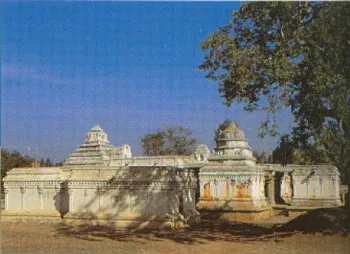
ARALAGUPPE
There are Hoysala temples here belonging to the last days of the Hoysala dynasty. The Kalleshwara temple of the much older Noramba dynasty is famous here. Noramba…
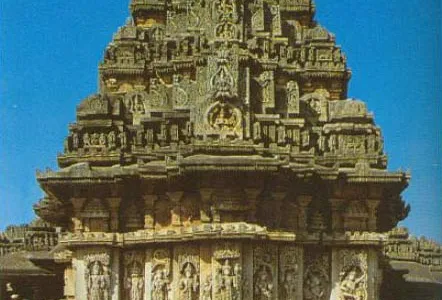
BELAVADI
It is a big Hoysala temple, 12 km from Halebid. There are few visitors. King BIddiga converted to Hinduism under the influence of a philosopher and called himself…
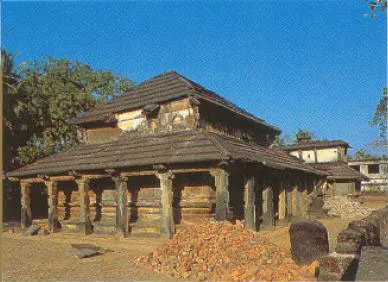
BHATKAL
The west coast style of south India starts from here. The roofs of the buildings are steep since it rains heavily in the western Ghats. They are mostly wooden…