Narayan Sarovar Sancuary
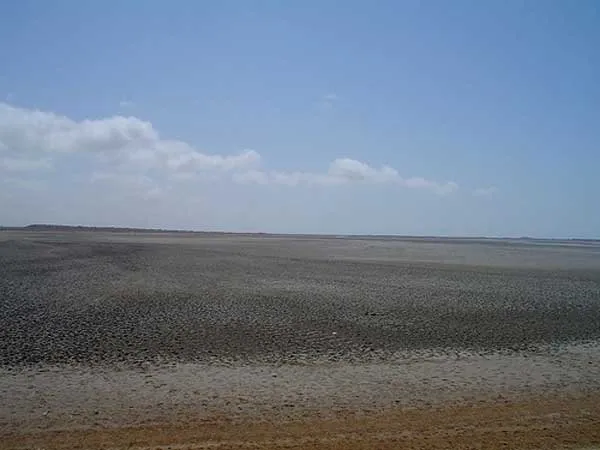
It covers a huge area of 444 sq. km.The Narayan Sarovar Chinkara Sanctuary has a unique eco-system. A part of the sanctuary is a seasonal wetland in the arid zone that play mother to 15 threatened wildlife species. The sanctuary also has desert thorn and scrub forests that are dotted with several seasonal water bodies and grassy patches. The main reason behind its popularity is the wonderful combination of picturesque surroundings and a rich variety of flora and fauna species.
Quick facts
| Nearest Petrol Pump nearby Narayan Sarovar Sancuary | Pragpar Petrol Pump:Kutch, Gujarat,IndiaIBP Petrol Pump:Gandhidham, Kutch, Gujarat,India |
|---|
About Narayan Sarovar Sancuary
A large portion of the sanctuary exhibits the edaphic climax of tropical thorn forest, where the tree height averages from 3 to 5 m. A major part of the sanctuary is also under grassland and scrub forest. The plant species like Gorad and Babul are predominant in the sanctuary. While, Babul dominates the western zone having lime stone formation, the Gorad dominates in the eastern zone that covers extensive area. The sanctuary provides shelter to about 252 species of flowering plants, including Desi baval, gorad, hermo, ber, pilu, thor, gando baval, gugal, salai, ingorio, kerdo, carissa, etc.
The Narayan Sarovar Chinkara Sanctuary provides natural habitat to several mammal fauna species, out of which, the Chinkara or Indian Gazelle is undoubtedly the most important one. The species like Chinkara, Blue Bull are the predominant mammal fauna species in the sanctuary. The other species include Spotted-Deer, Wild Boar, Wolf, Caracal, Chinkara, Desert Fox, Hyena, Desert Cat, Desert Fox, Porcupine, Ratel, Indian Pangolin, Mongoose, Hare, etc. A rich variety of smaller mammals are also found in the sanctuary. The sanctuary is home to 18 species of amphibians and reptiles, as well.
The avifauna in the Narayan Sarovar Chinkara Sanctuary is also quite rich with 184 bird species residing here. The bird species include a few endangered and threatened species and also include 19 species of Raptors. Three species of Bustards reside in the sanctuary, namely the Great Indian Bustard, Houbara Bustard and Lesser Florican. A typical bird of desert habitat, named the Black Partridge, and other important species like Harriers, Common Cranes, etc. are also found in the sanctuary.
A unique eco-system- a part of which is a seasonal wetland in the arid zone that play mother to 15 threatened wildlife species and encompasses desert thorn and scrub forests, dotted with several seasonal water bodies and grassy patches is popularly known as Narayan Sarovar Wildlife Sanctuary, notified as such in April 1981. This exceptional eco-system supports a rich biodiversity including some rare animals and birds and rare flowering plants.
The sanctuary has all the three species of bustards- Great Indian Bustard, Houbara Bustard and Lesser Florican. Also the Black Partridge, a typical bird of desert habitat is found here. 18 species of herpetofauna, 184 bird species including 19 species of raptors speak high of the sanctuary. The most sighted animal is the Chinkara.
Very large portion of the area of the sanctuary exhibits the edaphic climax of tropical thorn forest with tree height averaging 3 to 5 m. Major part of the sanctuary is under grassland and scrub forest.
Interesting things to Visit
Kutch Desert Festival:
A visit to Kutch Desert Festival, offers access to the interior and beautiful recesses of the region of Kutch, situated in Gujarat, India. A visit to Kutch Desert Festival, offers an insight into the region which comprises of expansive wastelands and eerie landscapes to the excitement of a large number of tourists who come to visit Gujarat, situated in India. Kutch is a large inundated section of land bearing similarities with the American Wild West. Kutch, situated in Gujarat, India, can also be equated with a Desert in some terrains.
Flora:
There are 252 species of flowering plants e.g. Desi baval, gorad, hermo, ber, pilu, thor, gando baval, gugal, salai, ingorio, kerdo, carissa.he Narayan Sarovar Chinkara Sanctuary in Gujarat is home to a large number of brackish water lakes. Chilka, the largest coastal lake in India, is also located at the Narayan Sarovar Sanctuary, one of the most famous wildlife sanctuaries in Gujarat. It houses a number of wild animals and diverse flora. People also come here to spend some time close to the nature.
Fauna:
Important animals- Wolf, caracal, chinkara, desert fox, hyena, desert cat, porcupine, ratel, Indian pangolin, blue bull, mongoose,Some of the animals that are protected at Narayan Sarovar Chinkara Sanctuary comprise Chinkara or Indian Gazelle, Blue Bull, Indian Antelope, Spotted Deer, Wild Boar and several others. The park is easily reachable from most parts of the city. The nearest Airport is at Bhuj, which is located 210 km from the sanctuary. You can also choose to stay at the Narayan Sarovar Sanctuary which has two temple guest houses with all the modern facilities.
Important birds :
Birds abound in the sanctuary, with no less than 184 distinct species to be found here. All three species of bustards (the Great Indian Bustard, the Houbara Bustard, and the Lesser Florican) live here, as well as the Black Partridge, 19 different birds of prey, and many species of waterfowl. No bird lover will leave here displeased.
Great Indian bustard, lesser florican, houbara bustard, black partridges, harriers, common cranes.etc
Narayan Sarovar Temple:
Narayan Sarovar is actually Lake of Narayan, another name for Lord Vishnu. There are five sacred lakes present Kutch, Gujarat. A temple complex has been erected by the banks of one of these lakes. Narayan Sarovar Temple of Kutch, Gujarat is one of the most sacred pilgrimage sites for orthodox Hindus. The architecture resembles medieval times, with awe-inspiring carvings. The sarovar is looked at as one of the five holy ponds in India. Temples of Shri Trikamraiji, Lakshiminarayan, Govardhannathji, Dwarkanath, Adinarayan, Ranchhodraiji and Lakshmiji have been constructed by the lakes. Devotees from all over the country trudge to Narayan Sarovar temple to worship the host of Lords/Goddesses to earn fine luck.
Narayan Sarovar:
In a land replete with pilgrimage sites, Narayan Sarovar is a different kind of holy experience. At almost the westernmost point of land in India, it can only be reached by traveling over 100 km from Bhuj across the barren scrubland of Kutch. A journey after which the appearance of a vast lake will surprise you even though you have come to see it and its spiritual significance will be tangible.Narayan Sarovar Lake is one of the 5 holy lakes of Hinduism, along with Mansarovar in Tibet, Pampa in Karnataka, Bhuvaneshwar in Orissa and Pushkar in Rajasthan. The lake is associated with a time of drought in the Puranic area, when Narayan (a form of Lord Vishnu) appeared in response to the fervent prayers of sages and touched the land with his toe, creating the lake, now revered as holy to bathe in (though this is not recommended).
Nearest Visiting places from Narayan Sarovar Sancuary
Bhuj:
This is known as the famous walled city of the state, Bhuj has its great importance of ancient values and historical backgrounds to denote that it is one of the ancient spots in the country. The town wall is measured as 35ft high and 4ft thick, an unimaginable mega structure engineering those days have taken place, is now a history and talk of the town too. previously , Bhuj was the capital of the native state of Kutch, and this city was under the rule of Jadeja Rajputs till Independence.As this spot has various places of historical values such as old palaces and museums around, namely the museum of Gujarat, Prag Mahal, Aina Mahal, Sarad Bagh palace, Kutch museum. The most heart felt hall mark of this town is the 2001 earthquake the devastation that demolished almost all hope and pride of this town. Yet, Bhuj has its tourist values to be visited.
Anjar:
The major spots of tourist visit is the shrine of Jesai Toral and the bungalow of James Mcmurdo and the other spots of visit is Ajaypal temple and the holy shrine of Pinjora Pir are the locations of spirituality and serenity. The famous Jesai-Toral fair is organized here for a celebration of colorful culture in the district. Anjar is famously known for its block printing works, nutcrackers, scissors and penknives manufacturing
Bela:
This spot is in the borders of Rann of Kutch which is a famous for its wild ass sanctuary. It is a hill station named Nilva. Nature and nature everywhere would mesmerize everyone in a visit.
Chitrod:
This place evoked into regular inhabitance during the separation and displacement of the people India. The name of this place reveals the great Mahatma’s ashes which are immersed at Kandla Creek. Kandla is the only free trade region of the country and is situated 12 km to the southeast of Gandhidham. The other important tourist interests are Khavada, Bhardeshwar, and Purneshwar.
Kera:
This town is known to be the ancient place of Gujarat, the famous 10th century holy shrine dedicated to Lord Shiva is situated here, Kera was once the capital of the famous ruler Lakho Fulani, this ancient ruler have left back a marvelous monument during his reign, namely kapilkot fort, this is one of the tourist attraction here. Apart from this the major annual event of Urs celebrations at the shrine of Gulam Ali Shah, pulls in thousands and thousands of devotees from various spots of the country.
Lakhpat:
Today, this spot is noted to be a remote area with less inhabitants sojourn right here, perhaps! The erstwhile living was massive during the year 1851 and known to be as the important trade zone. It is said that by Rao Lakha who founded this place , therefore they name Lakhpat and also there are other reasons to define the name, such as, during the greenish days of living ,the people of Lakhpat made 1,00,000 kori a day ( an old currency of Kutch state) this spot is exactly situated at the junction of Kori Creek and Rann of Kutch on the Pakistan borders, this fortified town is noted for its high walls and gates and bastions of hard stone, of course almost everything around here is perished and looks deserted.
Mandvi:
This spot is said to be the biggest tourist location of the state, the town is famously known for its historical values dates back even before 18th centuries. This town is a port of Maharao of Kutch and it is located on the banks of Rukmavati River in the Gulf of Kutch, at the west coastal in India. The major tourist spot of visit is the Mandvi port which is known to be very ancient and trade zone of handicraft items. The docks at the beach is also a famous spot, where you watch ship building, then the ancient temple of Mulnayak devoted to Bhagawan Shantinath is also an attraction at this port. The Vijay Vilas Palace situated around 8km were once the retreat centre of Maharaos of Kutch during summer, this palace ages from 1940 and exhibits great architectural values and textures designs of great workmanship. The next best landmarks are the famous Aina mahal built in the mid -18th century by Ram Singh and the tomb of Gosh Mohammad, Gurdwara and some more Hindu based temples are the added attractions nearby. The Kalyaneshwar temple and the Narayan Sarovar situated 49 km near and Koteshwar adds an enlighten trip over here, this town of old age offers a splendid trip on sight seeing enrolls old buildings of princely times, chronological palaces and temples, apart from this the town offers valuables of silverware, shell work items, Kutch embroideries, tie- dye sarees, block prints and Bandhini- a form of cloth printing for purchase.
Mundra:
This is another coastal city of the state, and famously known as ‘the Paris of Kutch’ which was founded during the reign of Rao Bhojraji (1633-1645). The famous attraction here is the high fortified stone wall constructed of huge massive blocks taken from the ruins of Bhadreshwar, a holy city of Jains. The major produces of products are the handicrafts of Mundra, tie-dye, block prints and Namda works of Mansoori people are famous and awesome.
Tera:
This is a Teerth and an ancient temple situated here as the major attraction of tourist. The Tera fort known as Darbargarh is situated here as an added attraction, this place is surrounded by ancient temples, havelis, forts and lakes as tourist trips at serene… the temple of Shri Shymala Parshwanath Bhagvan and Shri Naliya Teerth are the another major tourist attractions nearby.
Kutch Desert Wildlife Sanctuary:
Kutch Desert Wildlife Sanctuary of Gujarat has vast area of sun-baked mud flats that are salt impregnated. Some of the area around Kutch Desert Wildlife Sanctuary in Gujarat have small patches of uplands and the hilly islands of the sanctuary are called bets. Kutch Desert Wildlife Sanctuary has marine calcareous grit and oyster bed in the shore bordering the Arabian sea.Kutch Desert Wildlife Sanctuary in Gujarat houses some of the rare wild animals like striped hyena, porcupine, fox, small Indian civet, Indian pangolin and a large number of reptiles. You will find both venomous and non-venomous snakes, monitor lizards, star tortoise in the Kutch Desert Wildlife Sanctuary at Gujarat. Some of the rare species of birds are found in the Kutch Desert Wildlife Sanctuary at Gujarat.
Dholavira:
Above all the Harappan sites, the site of Dholavira nearby known as Kotada, in the Khadir island of Kutch stands separately. It is memorable for its wonderful planning and vastness of area and deposit. Currently, we can say that it is one of the two largest arrangements in India and the fourth or fifth largest in the subcontinent. The others arrangements are: Mohenjo-daro, Harappa, Gharo Bhiro (all in Pakistan) and Rakhigarhi (in India).Dholavira enjoys the exclusive characteristic of elastic a dedication of ten large sized signs of the Harappan script that is indeed the oldest sign-board of the world. A variety of used funerals structures is yet another feature of greater than importance throwing new light on the socio-religious beliefs by this means representative the presence of compound national groups in the Indus population of Dholavira.
Jakhau Port:
Jakhau Port in Kutch Jakhau Port is also one of the oldest ports of Kutch. Today, this port is only used for fisher men. Jakhau Port has its own importance. This is a very beautiful Port of Kutch. There is a centre for coastguard and water department of B.S.F. in Jakhau Port.
Kandla Port:
Kandla Port, a national port, is one of the eleven most important ports of India. This port is situated on Kandla stream. The first investigation of this stream was undertaken by the British Royal India Navy in 1851 and a detailed survey done in 1922. This port is developed by Joint project of Maharao Shree Khengarji-III and British Government in the 19th century. Standard dry cargo treatment capacity of Kandla Port is 24,000 metric tons per day.
Koteshwar:
In the district of Lakhpat is situated the temple of Koteshwar which is a holy place of pilgrimage in Kutch. There is an ancient story attached with it. They say that King Ravana wanted to be immortal and did tapasya of God Shiva. Lord Shiva gifted him with Ling which he could worship and become immortal. But in arrogance he dropped the ling, which on touching the ground turned into a thousand Lings. King Ravana could not recognize the original ling, and so the boon was lost. There were a thousand lings at that place so the Gods of heaven decided to build this temple and name it Koteshwar.
Bhadreshwar Jain Temple:
Bhadreshwar Jain Temple in Kutch There are a number of temples built by Jain followers in Kutch. The Bhadreshwar temple, one of the most ancient temples situated in Bhadrawati, considered a very holy place is one such. Bhadrawati was ruled by King Sidhsen in 449 B.C (according to the Hindu calendar) who renovated the place. Later it was ruled by The Solankies who were Jains, and they changed the name to Bhadreshwar. Then in 1315, a great famine struck Kutch, after which the place was renovated by Jagadusha.
Hotels/Lodge/Accommodation nearby Narayan Sarovar Sancuary
**Hotels in Kutch:**Hotel Mahir Palace Bhid Bazar, Mandvi,Kutch,Gujarat,India,ph:02834 222090
**Hotel Ilark:**Bhuj, Kutch, Gujarat,India
**Hotel Aish:**Bhuj, Kutch, Gujarat,India
Location info
-
**Address:**Narayan Sarovar Chinkara Sanctuary,Kutch,Gujarat,India
-
District: Kutch
-
Nearest City: Bhuj
-
Best time to visit: October to March
Climate & weather
Weather of Kutch is tropical monsoon with an average annual rainfall of approximately 14 inches. In Summer temperature can reach up to 48°c. In Winter temperature ranges from 12 °c to 27 °c.
History of Narayan Sarovar Sancuary
One of the most sacred pilgrim centres of the Hindu religion, Narayan Sarovar is uppermost in the pilgrims’ circuit. There are actually five sacred lakes here, containing a temple complex in one of its five holy lakes.Narayan Sarovar Sanctuary is a unique area in the country because the uncommon ecosystem in the arid zone supports 15 threatened species of wildlife belonging to Schedule-I of the Wildlife (Protection) Act, 1972.
How to reach Narayan Sarovar Sancuary
-
**Nearest Railway Station:**Bhuj railway station
-
**Nearest Airport:**Bhuj and Kandla airports.
**Road Transport:**The sanctuary is well connected to the other important places in the state by State Transport Corporation buses as well as luxury coaches operated by private companies.The Rann of Kutch is accessible via Dasada village, 93 kms from Ahmedabad.
Nearest petrol pump
**Pragpar Petrol Pump:**Kutch, Gujarat,India
**IBP Petrol Pump:**Gandhidham, Kutch, Gujarat,India
Helpline & emergency contacts
-
**Police Station:**100
-
Nearest Hospital:
Mental Hospital:Bhuj,Kutch,Gujarat,India
Velani Hospital:Bhuj,Kutch,Gujarat,India
MMPJ Hospital:Bhuj,Kutch,Gujarat -
Society/Community Phone Number:
-
**Link:**www.gujaratguideonline.com
Best time to visit Narayan Sarovar Sancuary
October to March for comfortable weather and wildlife sightings.
Timings & opening hours
6:00 AM to 6:00 PM daily. Closed during monsoon season (July-September).
Entry fee & tickets
INR 20-50 for Indians. Safari vehicle charges extra.
Duration needed
Half day to full day.
Safety tips
Follow park rules. Do not exit the vehicle in restricted areas. Carry insect repellent. Stay quiet during safaris.
Things to carry
Binoculars, camera, water bottle, hat, insect repellent, light snacks.
Nearest airport, railway & bus
Nearest airport and railway station in the nearest city.
Mobile network coverage
Airtel, Jio, and Vi all provide good coverage across Gujarat’s major cities and tourist areas. 4G is generally reliable in Ahmedabad, Vadodara, Surat, and along major highways. Coverage may be weaker in remote areas of Kutch and interior Saurashtra. Most hotels and cafes in tourist areas offer free Wi-Fi.
Food & restaurants nearby
Food options are available in the nearest town. Traditional Gujarati thali restaurants and local eateries offer a range of vegetarian dishes.
Things to do at Narayan Sarovar Sancuary
Take a nature walk or jeep safari, spot wildlife and birds, and enjoy the natural surroundings.
Frequently asked questions
What is the best time to visit Narayan Sarovar Sancuary? October to March.
What wildlife can be seen? Native species including deer, leopards, birds, and reptiles.
Is prior booking needed? Recommended.
Accessibility
Accessibility information is not currently available for this site. Contact the venue directly or check with your accommodation for the latest accessibility details.
Rules & restrictions
Standard visitor rules apply. Check locally for any specific restrictions at this site.
Best photography spots
The best photography spots are typically during the golden hours (early morning and late afternoon). Scout the location first to identify the best angles, and consider the direction of light at different times of day.
Visitor information
Planning your visit to Narayan Sarovar Sancuary
- Language: Gujarati is the local language; Hindi and English are widely understood at tourist sites.
- Getting around: Auto-rickshaws, taxis, and state transport buses are readily available. Hiring a private vehicle is recommended for comfort.
- What to wear: Light cotton clothing in summer; light woolens in winter. Comfortable walking shoes are essential. Modest dress is advised at religious sites.
- Photography: Check for photography restrictions before entering. Some temples and museums may charge a separate camera fee.
- Best time to visit: October to March when the weather is pleasant for sightseeing.
- Local cuisine: Don’t miss Gujarati thali — a wholesome meal with dal, rice, vegetables, roti, and sweets like dhokla, khandvi, and mohanthal.
Nearby facilities
- ATMs: Available in nearby towns and at major tourist sites.
- Medical facilities: Primary health centers and hospitals can be found in district headquarters.
- Restrooms: Public restrooms are available at major tourist spots; carry hand sanitizer and tissues.
Make your visit to Narayan Sarovar Sancuary comfortable and hassle-free with these practical visitor tips for Gujarat.
Map & location view
Narayan Sarovar Sancuary is located in the vibrant state of Gujarat, India. The destination is accessible by road and is well-connected to major cities and towns in the region, making it a convenient addition to any Gujarat travel itinerary.
How to reach
- By Air: The nearest airport is connected to major Indian cities including Mumbai, Delhi, Ahmedabad, and Vadodara with regular domestic flights.
- By Rail: The nearest railway station is connected to the Indian railway network with regular trains from major cities across India.
- By Road: State transport buses, private taxis, and self-drive options are available from nearby cities. Gujarat has a well-maintained network of state highways and national highways.
Use GPS navigation or local maps to find the exact location of this destination in Gujarat. The Gujarat Tourism website provides additional travel resources for visitors.
Photo gallery of Narayan Sarovar Sancuary
Video gallery
Related destinations
Balaram Ambaji Wildlife Sanctuary
Balaram-Ambaji Wildlife Sanctuary is located in Banaskantha District of Gujarat, along Gujarat-Rajasthan border.Ambaji Bhadra Purnima is celebrated in Gujarat with…
Barda Wildlife Sanctuary
The area supports about 750 'maldhari' families (4000 people) in 68 'nesses'. The agriculture fields and wasteland, where acute water scarcity is experienced during…
Hingolgadh Nature Education Sanctuary
The landscape presents a magnificent mosaic of grasslands and scrub forests. The sanctuary gets full of life during rainy season with beautiful shades of green…