Jessore Sloth Bear Sanctuary
Sloth Bears, unlike other species of bears, move in groups. Other than these, the next most important animal found at Jessore Sloth Bear Sanctuary, Gujarat is the Leopard. There are a number of other animals too that thrive in these forests including Rhesus Macaque, Indian Porcupine, Indian Civet Cat, Striped Hyena, Wild Boar, Fox, Jackal, Blue Bull, Hare and Langur.You will also come across the reptilian kingdom during your tour to Jessore Wildlife Sanctuary, Gujarat that boasts of snakes,…
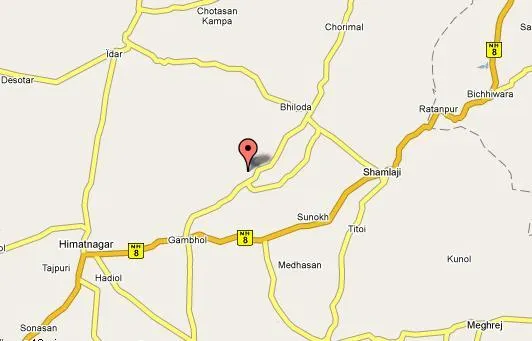
Quick facts
| Nearest Petrol Pump nearby Jessore Sloth Bear Sanctuary | RM Petrol Pump:Patan,Gujarat,IndiaJyothi Petrol Pump:Mahesana,Gujarat,India |
|---|
About Jessore Sloth Bear Sanctuary
Sloth Bears, unlike other species of bears, move in groups. Other than these, the next most important animal found at Jessore Sloth Bear Sanctuary, Gujarat is the Leopard. There are a number of other animals too that thrive in these forests including Rhesus Macaque, Indian Porcupine, Indian Civet Cat, Striped Hyena, Wild Boar, Fox, Jackal, Blue Bull, Hare and Langur.You will also come across the reptilian kingdom during your tour to Jessore Wildlife Sanctuary, Gujarat that boasts of snakes, tortoises and lizards. The avifauna comprise Cuckoos, Spurfowls, Barbets, Flycatchers, Woodpeckers, Tree Pies, Shrikes, Storks, Spoonbills, Egrets, Cranes and a plenty of Raptors.
A must visit for all wildlife lovers and adventure seekers, Jessore Sloth Bear Sanctuary is best visited in post monsoon months and winters. Getting to the sanctuary is not difficult as it is easily accessible by a good network of transport. The nearest bus station is at Palanpur, which is located at a distance of 28 km. So make sure to include it in your next travel to Gujarat, India.
Jessore Sloth Bear Sanctuary is situated in the Banaskantha district, 45 kms. from Palanpur. Declared as Wildlife Sanctuary in May 1978, this 180.66 sq.km. forest tract of Jessore hill and adjoining areas is endowed with several rare and endangered species of flora and fauna. The forests of the sanctuary play an important role in conservation of depleting Aravali ecosystem. This area act as a buffer and separates the desert ecosystem from the dry deciduous type of ecosystem.
The tree clad terrain helps in arresting the process of desertification and advancement of Thar desert.Located in the folds of Arravali hills. Jessore hill is the second highest peak in Gujarat.The sanctuary is known more for the endangered Sloth Bear. The other important faunal species are leopards, Rhesus macaque, Indian civet cat, porcupine, fox, striped, hyena, wild boar .The multistoried forest provides a suitable habitat for variety of birds ranging from land birds to water birds. As per the IUCN classification many rare and endangered species of birds are also found in this sanctuary. The reptiles include snakes, tortoises and lizards of various types. The rarest Indian Python is observed beyond Muni ji ki kutia.
A visit to Tourism of Gujarat, takes the seeking out tourist and adventurist among them, to the Jessore Sloth Bear Wildlife Sanctuary, situated in Gujarat, India. Jessore Sloth Bear Wildlife Sanctuary, situated in Gujarat, India, offers a rare opportunity to the visitors to be one with the gifts and the tenor of nature in the confines of the Jessore Sloth Bear Wildlife Sanctuary situated in Gujarat, India.
Interesting things to Visit
Flora:
Teak, dudhlo, sadad, timru, amla, bamboo, dhavdo, kakadiyo, mahuda, tanach, charoli, ber, jamun, khakhro etc. a total of 543 species of plants are recorded (119 species of trees, 40 species of shrubs, 238 species of herbs, 48 species of grasses, 87 species of climbers, 2 species of partial parasite and 9 species of orchids).
Nearest Visiting places from Jessore Sloth Bear Sanctuary
Palanpur:
This place was previously the capital of this princely state and today as the district headquarters has its credits that still speak about historical values from centuries together. This old city is blessed with nature around like encamping hillocks and Aravali Mountains that accelerate tourist visit every year from all over the world. The name Palanpur was given after the name of Palansi Chauhans who dwelled here during the 14th century, later the city came under control of Muslim legends till India’s independence. Palanpur began to prosper during the reign of Nawab Shaeb Sher Khan Lohnai and Nawab sahib Talej Muhammed Khan Lohani in the 19th and 20th centuries. Today, Palanpur is a major trade center and became thickly populated due to its mercantile growth. This is fertile enough because of the Saraswathi and Banas rivers that flows through the city, the places of visit are Kirti stambh, the Rajmahal, Balaram Mehadev temple and the old palace of Nawab. Zoravar palace is known for its beauty,the golden leaf decorative designs ,wall paintings and the sandalwood staircase exhibits the pomp and glory living of mankind those days and now it’s a government official building that works for the people. The other attractions are two Dargahs and an old stepwell, MithiVav with seven galleries on the wall makes the visitors take an awesome wonder to think that “the historians are real legends”.
Ambaji:
This spot is a scared location with temples around that brings devotees from Gujarat and Rajasthan to this famous Maa Ambaji temple, here the main deity is Goddess Amba. Being a pilgrim center there are several other Jain temples namely Gabbar temple and Kumbharia temple, which adds more serenity to this spot. Basically Ambaji is a spot that consist of tribal population, yet talented and artistic workmanship evokes from here, such as silver smith, potters, arrow makers and basket weavers etc; are the special articles you get from here, the major tribal groups are Bhils and Garacias . Ambaji is, also famously known for its marble sculpture and silver tribal jewelry. The main festival is Bhadrapadi Poornima festival is celebrated here annually, near to Ambaji you have a small town named Kumbhariyaji which is famously known for its beautiful sculpted Jain temples and some other important temples are Neminathji temple , Mahavir swami temple, Parshwanathji temple, Sambhavnathji temple and Shantinathji temple. Poshina port is near to Ambaji at about 45 km of distance.
Balaram-Ambaji Wildlife Sanctuary:
Balaram-Ambaji Wildlife Sanctuary is located in Banaskantha District of Gujarat, along Gujarat-Rajasthan border.Ambaji Bhadra Purnima is celebrated in Gujarat with pomp and grandeur. The main event takes place at the shrine of goddess Ambaji near the foothills of Aravalli mountain ranges. Ambaji Bhadra shrine is one of the oldest and attractive shrines in Gujarat. The festival takes place on the full moon night in the month of August or September. The festival and the fair attract tourists from different corners of the country as the devotees have a strong belief on the goddess.
Bhildi:
Here you have a famous Jain pilgrim site and the main attraction is the Bhildiyaji temple.
Danta:
This spot was once the capital of Parmar Rajputs and the majority of population are the Bhil tribes who still sojourn here, this place consist of two main and beautiful palaces for tourist visit. The Ambaji temple and Shri Kumbhariyaji temple are the nearby pilgrimage centers.
Dantiwada:
This spot has two important locations of visit, the Dam and the Agri University which is the major landmark to this place.Dantiwada Dam is located on the outskirts of Dantiwada in Banaskantha District of Gujarat. It is built across the Banas River. It was built in 1965 with the primary aim of flood control and providing water for irrigation projects. The dam measures 61 m in height and 4,832 m in length. The reservoir covers an area of about 40 sq km.
Kondar:
Husain Tekri situated here is a famous place for Azadari programs held on the 22nd of Safar, the second month in the Islamic calendar.
Tharad:
This spot is another ancient landscape which still exists, previously Tharad was known by several names such as Thirpur, Thiradi, Thirapadra and Tharapadra. The famous attraction spot here is Shri Tharad Teerth and this town is considered to be a scared on amidst the Jains beliefs and it is said that this spot was established by King Thirupal Dharu. The beautiful idol at Shri Tharad Teerth is Shri Adishwar Bhagwan which is positioned in Padmasna position in Yoga is famously worshipped here. Apart from this unique spot there are some more ten temples to be visited. Shri Vav Teerth and Shri Bhorol Teerth are the famous Jain temples easily accessible by road, accommodations are available for pilgrims.
Hotels/Lodge/Accommodation nearby Jessore Sloth Bear Sanctuary
**Hotel Maganjis:**Mount road,Banaskantha,Gujarat,India,ph:02974 238337
**Ambika Enterprises Mount Abu Hotel:**Agarsen Old Main Market,Mount Abu,Rajasthan,India,ph:09929152877
Help Line/Phone Number
Copyright 2016 HolidayLandmark All rights reserved
Location info
-
**Address:**Jessore Sloth Bear Sanctuary, Banaskantha,Gujarat,India
-
District: Banaskatha
-
Nearest City: Palanpur
-
Best time to visit: October to May
Climate & weather
Summer, it’s hot and humid with an average temperature of 40 Degrees with hot sandy winds. In Winter, it’s 10 to 20 degrees
History of Jessore Sloth Bear Sanctuary
Jessore Sloth Bear Wildlife Sanctuary, located in Gujarat, India, was declared a Wildlife sanctuary in the year 1978 A.D. in the month of May and the region of Jessore is located on the boundary between Rajasthan and Gujarat, situated in India. Jessore Sloth Bear Wildlife Sanctuary, situated in Gujarat, India, is home to a hilly and rugged terrain, which has within its confines a large number of endangered species. Jessore Sloth Bear Wildlife Sanctuary, Gujarat, India, in a way also plays an important role in the sustenance of the green zone beyond the Desert region of Rajasthan, India. Jessore, situated in Gujarat, India, is a safe heaven for the Sloth Bear, which is an animal greatly popular with the tourists and the adventure seeking travelers who come to visit Jessore Sloth Bear Wildlife Sanctuary, situated in Gujarat, India.
How to reach Jessore Sloth Bear Sanctuary
-
**Nearest Railway Station:**Linked with Ahmedabad,Mehsana,Railway station
-
**Nearest Airport:**Ahmedabad at 155 Kms.airport
**Road Transport:**State transport buses and Private Luxury coaches connects various centers of Gujarat. It is situated 155 Kms from Ahmedabad. The railway station and the bus station are at a distance of one km. Local Transport: Buses and taxis are available for travel within the city.
Nearest petrol pump
**RM Petrol Pump:**Patan,Gujarat,India
**Jyothi Petrol Pump:**Mahesana,Gujarat,India
Best time to visit Jessore Sloth Bear Sanctuary
October to March for comfortable weather and wildlife sightings.
Timings & opening hours
6:00 AM to 6:00 PM daily. Closed during monsoon season (July-September).
Entry fee & tickets
INR 20-50 for Indians. Safari vehicle charges extra.
Duration needed
Half day to full day.
Safety tips
Follow park rules. Do not exit the vehicle in restricted areas. Carry insect repellent. Stay quiet during safaris.
Things to carry
Binoculars, camera, water bottle, hat, insect repellent, light snacks.
Nearest airport, railway & bus
Nearest airport and railway station in the nearest city.
Mobile network coverage
Airtel, Jio, and Vi all provide good coverage across Gujarat’s major cities and tourist areas. 4G is generally reliable in Ahmedabad, Vadodara, Surat, and along major highways. Coverage may be weaker in remote areas of Kutch and interior Saurashtra. Most hotels and cafes in tourist areas offer free Wi-Fi.
Food & restaurants nearby
Food options are available in the nearest town. Traditional Gujarati thali restaurants and local eateries offer a range of vegetarian dishes.
Things to do at Jessore Sloth Bear Sanctuary
Take a nature walk or jeep safari, spot wildlife and birds, and enjoy the natural surroundings.
Frequently asked questions
What is the best time to visit Jessore Sloth Bear Sanctuary? October to March.
What wildlife can be seen? Native species including deer, leopards, birds, and reptiles.
Is prior booking needed? Recommended.
Accessibility
Accessibility information is not currently available for this site. Contact the venue directly or check with your accommodation for the latest accessibility details.
Rules & restrictions
Standard visitor rules apply. Check locally for any specific restrictions at this site.
Best photography spots
The best photography spots are typically during the golden hours (early morning and late afternoon). Scout the location first to identify the best angles, and consider the direction of light at different times of day.
Visitor information
Planning your visit to Jessore Sloth Bear Sanctuary
- Language: Gujarati is the local language; Hindi and English are widely understood at tourist sites.
- Getting around: Auto-rickshaws, taxis, and state transport buses are readily available. Hiring a private vehicle is recommended for comfort.
- What to wear: Light cotton clothing in summer; light woolens in winter. Comfortable walking shoes are essential. Modest dress is advised at religious sites.
- Photography: Check for photography restrictions before entering. Some temples and museums may charge a separate camera fee.
- Best time to visit: October to March when the weather is pleasant for sightseeing.
- Local cuisine: Don’t miss Gujarati thali — a wholesome meal with dal, rice, vegetables, roti, and sweets like dhokla, khandvi, and mohanthal.
Nearby facilities
- ATMs: Available in nearby towns and at major tourist sites.
- Medical facilities: Primary health centers and hospitals can be found in district headquarters.
- Restrooms: Public restrooms are available at major tourist spots; carry hand sanitizer and tissues.
Make your visit to Jessore Sloth Bear Sanctuary comfortable and hassle-free with these practical visitor tips for Gujarat.
Map & location view
Jessore Sloth Bear Sanctuary is located in the vibrant state of Gujarat, India. The destination is accessible by road and is well-connected to major cities and towns in the region, making it a convenient addition to any Gujarat travel itinerary.
How to reach
- By Air: The nearest airport is connected to major Indian cities including Mumbai, Delhi, Ahmedabad, and Vadodara with regular domestic flights.
- By Rail: The nearest railway station is connected to the Indian railway network with regular trains from major cities across India.
- By Road: State transport buses, private taxis, and self-drive options are available from nearby cities. Gujarat has a well-maintained network of state highways and national highways.
Use GPS navigation or local maps to find the exact location of this destination in Gujarat. The Gujarat Tourism website provides additional travel resources for visitors.
Photo gallery
Visual highlights of Jessore Sloth Bear Sanctuary
Visitors to Jessore Sloth Bear Sanctuary will find plenty of photogenic spots worth capturing. From architectural details to natural landscapes, the destination offers diverse subjects for photography enthusiasts.
What to photograph:
- Architecture: Intricate carvings, structural details, and traditional Gujarati craftsmanship
- Landscapes: Surrounding natural beauty, gardens, and panoramic views of the Gujarat landscape
- Local life: Candid moments of visitors, vendors, and daily activities around the site
- Details: Close-up shots of carvings, paintings, decorative elements, and textures
Photography tips:
- Early morning (6:00 AM – 8:00 AM) and late afternoon (4:00 PM – 6:00 PM) offer the best natural light for photography in Gujarat’s climate
- Check if photography is allowed inside buildings before taking photos
- A wide-angle lens is ideal for capturing architectural grandeur at Gujarat’s heritage sites
- Mobile phone photography works well in well-lit outdoor areas
Browse through our collection of photographs showcasing the beauty and heritage of Jessore Sloth Bear Sanctuary. New images are added regularly as part of our ongoing content enrichment for this Gujarat destination.
Photo gallery of Jessore Sloth Bear Sanctuary
Video gallery
Related destinations
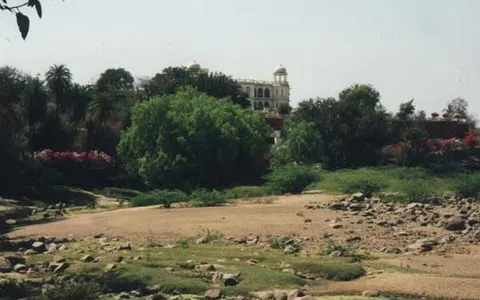
Balaram Ambaji Wildlife Sanctuary
Balaram-Ambaji Wildlife Sanctuary is located in Banaskantha District of Gujarat, along Gujarat-Rajasthan border.Ambaji Bhadra Purnima is celebrated in Gujarat with…
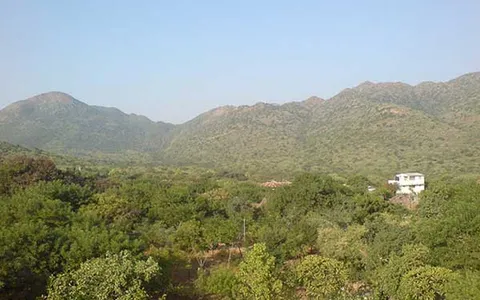
Barda Wildlife Sanctuary
The area supports about 750 'maldhari' families (4000 people) in 68 'nesses'. The agriculture fields and wasteland, where acute water scarcity is experienced during…
Hingolgadh Nature Education Sanctuary
The landscape presents a magnificent mosaic of grasslands and scrub forests. The sanctuary gets full of life during rainy season with beautiful shades of green…