Tarnetar Fair
Based on the legend of Draupadi's swayamvara, this fair is a celebration of ethnic Gujarat’s folk-dance, music, costumes and the arts, centered around young tribal men and women seeking marriage partners. But even for those not interested in finding a spouse, the romance and excitement in the air are captivating, and every year the fair seems only to grow in popularity, attracting visitors and tourists from Gujarat, elsewhere in India, and even abroad.
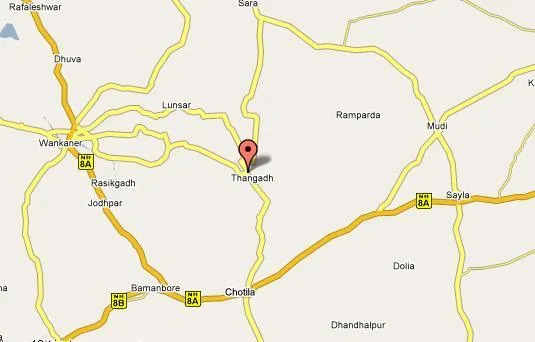
Quick facts
| Nearest Petrol pumps | Royal Oasis And Residency:Wankaner,Rajkot,Gujarat,India,ph:02828 220001 |
|---|
About Tarnetar Fair
Here the many colorful costumes, glittering ornaments and free-spirited movements of folk dances, all combine to create a memorable scene. As the dancers surge in waves of circular movement, the incessant throbbing of the drums keeps them moving in unison, and the drum beats continue throughout the day even as the dancers change from one group to the next. Many kinds of folk dances are performed; by far the most popular is the raas, in which dancers hold sticks to clack against those of other dancers. As many as one to two hundred women perform rasadas in a single circle, to the beats of four drums at a time and the tunes of jodia pavas (double flutes). You may also see people break out into a spontaneous hudo.
Rabari women of nearby Zalawad perform the famous circular folk dance called rahado. Their marital status is indicated clearly by their costumes; a black zimi (skirt) means she is married. But if a woman is wearing a red zimi, it means she has not yet tied the knot, probably seeking a husband. The potential husbands seeking brides are elegantly dressed in colorful dhotis, artistically designed waistcoats and a head-cloth twisted at an angle, moving about the fairground at Tarnetar with striking umbrellas, advertising the bachelorhood they are keen to relinquish.
History of Tarnetar Fair
Historically speaking, this festival tradition is believed to have begun 200-250 years ago. The fair is held on the grounds of the temple of Triniteshwar Mahadev, which means “the three-eyed God.” The old temple that used to stand in Tarnetar was ruined, but a new one was built by the Gaekwads of Vadodara in the 19th century, and is now the focal point of the festival. It stands on the bank of a rivulet and opens into a beautiful kund. It is locally believed that this site used to be the original course of the Ganga river at some point in history, so a dip in the temple tank is considered by pilgrims to be as auspicious as a swim in the holy Ganga.
Importance of Tarnetar Fair
The old Shiv temple is a marble temple located on the banks of a rivulet. The temple has a kund or a reservoir. According to legends, this place was originally the place where Draupadi’s ‘swayamvara’ was held.Tarnetar Fair of Gujarat is a popular husband-hunt fair. During this fair young women with colorful dress walk through the Tarnetar Fair and choose their groom among the young men who assemble under gorgeously embroidered umbrellas.
Method of Celebration
The most thrilling sight of all is the ‘rasada’, the fascinating folk dance performed by hundreds of women, moving gracefully in a single circle. Dancing gaily to the accompaniment of four drums and ‘jodia pava’ (double flutes.) their gorgeous traditional costumes and captivating dances makes the Tarnetar Fair a unique synthesis of folk art.An added attraction of the fair is the lively folk dance performances such as ras-garba and hudo dance and the rasada, the fascinating folk dance performed by hundreds of women.
Tarnetar Chhatri:
Another distinctive feature of the fair is the ‘Tarnetar Chhatri’ (umbrella). These umbrellas are a delightful treat for the connoisseur of art. The umbrellas meticulously embellished with mirror work, intricate embroidery and enchanting lacework are worth seeing.
Ras Garba Style of Dance:
Folk dances like the energetic and playful Ras Garba (where men and women dance in two circles moving in the clockwise and counter-clockwise directions with dandiyas, or sticks, in their hands) and the Hudo Dance (performed by the shepherd community where the dancers clap in a rhythmic manner while duplicating the movements of two sheep ramming their heads) are key draws.
Culture of festivities
This fair is primarily a ‘marriage mart’ or ‘Swayamvar’ for the tribal youth of today who still visit Tarnetar, to find them a suitable bride. The tribal youth elegantly dressed in colourful dhotis, waistcoats and eye-catching turbans come to be chosen by village belles dressed in colourful finery.The fair is a kind of marriage market for the local tribals - the Kolis, Bharwads and Rabaris who visit Tarnetar to find suitable brides. Tradition holds that if the girl stops to talk to one of the men, it is a sign that she has found the man of her choice.
The bachelors are usually identified by their large colourful embroidered umbrellas and their distinctive hairstyles. These umbrellas, which have become emblems of the fair, are embroidered by the tribal youth for over a year. The fair is held around the Trinetreshwar Temple dedicated to the three-eyed Lord Shiva, built at the beginning of the century.
The Tarnetar fair in Saurashtra represents a unique synthesis of folk music, folk art and colour. It highlights the true folk nature of the fair with folk dances like the Rasada (a Gujarati folk dance), performed by hundreds of women moving gracefully in a single circle to the accompaniment of four drums and jodja pava (double flutes). People are mesmerised by the number of bhajan mandalis (group of devotees singing songs in praise of the Lord) singing bhajans and kirtans (devotional songs) to the tune of folk instruments such as khartals, pakhawaj, dhol and tabla (a range of Indian percussion instruments).
Nearest Visiting places
Matel:
Maa Khodiyar revealed her splendid self at Matel (42kms. from Rajkot) in around 1400A.D. A young innocent shepherd once began to notice an increase in the number of cows that he used to take grazing for fodder. He spotted the cow that didn’t belong to his herd. To discover whose cow it was, he once chased the cow all the way back holding her by her tail.
Chotila Hill:
The famous Chamunda Mataji temple is situated at Chotila, a small town near Rajkot in Gujarat State. Chotila is situated exactly in the middle of Ahmedabad and Rajkot, the two main cities of Gujarat State. Chamunda Mataji is the Kuldevi (family Goddess) of most of the Hindus staying in Saurashtra region of Gujarat State, located in the north of it. Thousands of pilgrims come to Chotila every year and perform the darshnas of Chamunda Mataji. The Mataji temple is situated at the top of the Chotila Mountain.Chotila Mountain is around 1250 feet high and is located around 40 miles away from Rajkot, and around 50 miles away from Ahmedabad.
One can easily reach Chotila within one and a half hours from Ahmedabad by the national highway passing through the entire State of Gujarat. As soon as you reach Chotila, you will find a number of shops that sell prasads of Mataji, various types of Gujarati souvenirs like thick bangles with engraving, CDS and DVDS of Chamunda Mataji, and many toys for all ages of children. There are thousands of such shops located at the base of the Chotila hill. You can start your climb from the base after walking some distance. There are stone steps up to the top of the hill. Good tree cover and railings cover the entire walkway providing comfort to all the pilgrims. This destination is most visited during the Navaratri festival.
Kaba Gandhi No Delo:
Kaba Gandhi No Delo, Rajkot is the place where the Great Indian Leader, Mahatma Gandhi stayed during his stay in Rajkot in the early years of his life. Mahatma Gandhi’s father, in the name of Karamchand Gandhi was also known as Kaba Gandhi. The name of the house has been derived form Gandhiji’s father’s name. Actually the words Kaba Gandhi No Delo literally means ‘Kaba Gandhi’s residence’.Kaba Gandhi No Delo, Gujarat has been built following the old and traditional styles of building houses and monuments.Kaba Gandhi No Delo, Rajkot is a masterpiece and an excellent work of art.Kaba Gandhi No Delo, Rajkot, which was Mahatma Gandhi’s ancestral home, is now a permanent exhibition. The exhibition displays and houses the Gandhi Smriti. Kaba Gandhi No Delo, Rajkot is situated on Ghee Kanta Road at Rajkot. Rajkot was the formerly and initially the capital of the princely state of Saurastra, which is in Gujarat.
Watson Museum:
Watson Museum and Library, Rajkot is a famous museum in Rajkot. This museum is a major Tourist Attraction in Rajkot. Watson Museum and Library in Rajkot is located in the Jubilee Gardens in Rajkot. The Watson Museum and Library, Rajkot was opened to the public in the year 1888 and commemorates Colonel James Watson, who was Saurashtra’s political agent from year1886-89. The entrance of the Watson Museum and Library in Rajkot is well decorated and attractive. The two majestic lion’s statues stand on both the sides of the entrance of the museum. Watson museum in Rajkot is also used as a library.The exhibits put up in the Watson Museum and Library of Rajkot includes copies of artifacts from Mohenjodaro, natural history exhibits, 13th-century carvings, temple statues and costumes and design of the houses of the local tribal people. The Watson Museum and Library at Rajkot in Gujarat also houses an excellent collection of traditional, archaeological items and coins. A major attraction of the Watson Museum is the huge marble statue of Queen Victoria seated on the throne and this attracts a huge number of tourists.
Rotary Midtown Doll’s Museum:
Rotary Midtown Doll’s Museum, Rajkot is an interesting place which is full of traditional and ethnic, dolls from all over the world. The dolls in the museum stand as a replica of human beings, Indian ethnic culture, traditions and family values. The dolls and toys exhibited in The Rotary Midtown Doll’s Museum in Rajkot, gives the visitor a chance to move around the world and get an idea of the culture and tradition that each of the country has. The adults and the children can take an interesting tour around the world through the toys and dolls brought from all over the world. A visit to the Rotary Midtown Doll’s Museum of Rajkot gives one a pleasure of going on a dream tour across the world with dolls. A visit to the museum is full of fun and entertainment. The dolls and the toys are exhibited in a thematic pattern. This helps the tourist to gain a deeper insight of the world’s culture and tradition.
Aji Dam Garden:
Aji Dam Garden is maintained by the Rajkot Municipal Corporation. In the amusement park of the Aji Dam Garden people can spend a nice time trying out the rides and eating snacks at the food courts. The Aji Dam Garden at Rajkot in Gujarat in India also has a bird aviary, zoo and crocodile park. This garden is situated at a distance of eight kilometers from the city, on the outskirts which gives the visitors an opportunity to move around in serene tranquility. During the winter season the Aji Dam Garden, Rajkot looks more beautiful as the trees and the flowers are in full bloom. The winter birds which comes to this area during the winter stays on the trees of the gardens which adds color and beauty to the Aji Dam Garden of Rajkot in Gujarat in India. The colorful and the vibrant atmosphere attract more and more people during this time of the year. The pleasant atmosphere of the park and the number of people around helps the visitor in having a good time in the Aji Dam Garden of Rajkot. People of Rajkot visit the Aji Dam Garden for an evening walk and to meet and sit with their friends and enjoy a beautiful evening. The food stalls and amusement park in the Aji Dam Garden of Rajkot attracts children and adults alike.
Ishwariya Temple:
The Ishwariya Temple, Rajkot is a very old temple and a popular tourist attraction in Rajkot and a notable holy place in Rajkot. The Ishwariya Temple in Rajkot in Gujarat in India is a temple dedicated to Lord Shiva. The temple is located on the outskirts of the city. The location of the temple on the outskirts and on the hilly terrain makes it a favorable spot for an outing even for the locales. The Ishwariya Temple at Rajkot in Gujarat in India is visited by many people with a dual purpose, one that attracts the people to the Ishwariya Temple, Rajkot is the spiritual aspect of the temple and second is the location which makes it a favorite outing spot. People of Rajkot often visit the spot during the winter season to have a picnic with friends and families. The hilly terrain and the small pond located near by adds to the beauty and charm of the place. A small fair is also organized here annually.
Jubilee Garden:
Jubilee Garden, Rajkot is a major Tourist Attraction in Rajkot. Jubilee Garden is visited by people of all ages. The Jubilee Garden in Rajkot is known for the natural beauty and the beautiful atmosphere of the place. Jubilee Garden in Rajkot is situated in the heart of the city. Many other tourists attraction in Rajkot is all located near by the Jubilee Garden in Rajkot. The amusement parks in the Jubilee Garden attract both adults and children. People of all ages like to visit and spend time in the Jubilee Garden at Rajkot in Gujarat in India.The Jubilee Garden, Rajkot is a big garden with beautiful paths and trees lined by the path. The trees, the swings, beautifully laid paths make Jubilee Garden in Rajkot in Gujarat in India look more beautiful and attractive. Another major attraction of The Jubilee Garden in Rajkot is the local chutney called “Chevdo”. The Jubilee Garden is more famous for this chutney to all the visitors visiting the place. “Chevdo” is made by mixing pea nuts and rice flakes and the spice that is added to it gives “Chevdo” a tingling taste. “Chickee” is another local food that is sold here in the Jubilee Garden. “Chickee” is made out of nuts.
Swaminarayan Temple:
The Swaminarayan Temple, Rajkot is famous all over the world as the most notable holy place in Rajkot. The Swaminarayan Temple was set by the BAPS as the Bochasanwasi Akshar Purushottam Swaminarayan Sanstha is known. BAPS is an organization which operates by the Swaminarayan faith. BAPS as an organization was established in the year 1907 by Shastriji Maharaj.The Swaminarayan Temple, Rajkot operates in the same way as all other temples which belong to the same organization. The Swaminarayan Temple are known world wide for their spiritual value as well as the social work and the humanitarian service that they offer to the world. As all other temples that operates under BAPS, Swaminarayan Temple in Rajkot is also known for the hand carved stone by which the temple is made of.
The central figure of The Swaminarayan Temple at Rajkot in Gujarat in India is the Lord Swaminarayan. The idol set in the temple is a white idol of Lord Swaminarayan, beautifully clad in gorgeous cloth. The Swaminarayan temple follows some philosophical guidelines as set by the BAPS. They try to understand the five basic eternal units which comprises of Jiva, Ishwar, Maya, Brahman and Parabrahman.
Hotels/Lodge/Accommodation
**Avantika Hotel:**Limbdi,Surendranagar,Gujarat,India,Ph:02753 260794
Help Line/Phone Number
Copyright 2016 HolidayLandmark All rights reserved
Location info
-
**Address:**Tarnetar , Surendranagar,Gujarat
-
District: Surendranagar
-
Nearest City: Surendranagar
Best time to visit: Best time to visit: The fair tales place in the month of August-September. According to the local calendar the fourth, fifth and sixth days of Shukla Paksha of the month
Climate & weather
The land relief in Gujarat is low in most parts of the state, resulting in a great diversity in the climate of Gujarat India. Gujarat experiences mild, pleasant and dry winters, with average daytime temperatures ranging around 83 °F(29 °C) and night temperatures around 53 °F(12 °C). The summers are very hot and dry, with day temperatures rising up to around 105 °F(41 °C) and night temperatures dropping to 85 °F(29 °C).
How to reach Tarnetar Fair
-
**Nearest Railway Station:**Surendranagar railway sation
-
**Nearest Airport:**Rajkot,airport
**Road Transport:**Tarnetar is close to the town of Surendranagar, 59 kms away. Rajkot is 75 kms and Jamnagar is about 162 kms away. It is also not difficult to plan a journey to Kutch from here.
Nearest petrol pump
**Royal Oasis And Residency:**Wankaner,Rajkot,Gujarat,India,ph:02828 220001
Best time to visit Tarnetar Fair
September.
Timings & opening hours
Annual 3-day fair in September.
Entry fee & tickets
No entry fee.
Duration needed
Few hours.
Safety tips
Stay hydrated and wear comfortable shoes. Keep valuables secure in crowded areas.
Things to carry
Camera, water bottle, hat, cash for local purchases.
Nearest airport, railway & bus
Nearest airport and railway station.
Mobile network coverage
Airtel, Jio, and Vi all provide good coverage across Gujarat’s major cities and tourist areas. 4G is generally reliable in Ahmedabad, Vadodara, Surat, and along major highways. Coverage may be weaker in remote areas of Kutch and interior Saurashtra. Most hotels and cafes in tourist areas offer free Wi-Fi.
Food & restaurants nearby
Food options are available in the nearest town. Traditional Gujarati thali restaurants and local eateries offer a range of vegetarian dishes.
Things to do at Tarnetar Fair
Experience the fair, enjoy folk performances, shop for local crafts, and taste local cuisine.
Things to visit & highlights
The fairground and cultural performances.
Frequently asked questions
What is Tarnetar Fair? An annual fair in Gujarat.
When is it held? Check the annual schedule.
Is there an entry fee? No.
Map & location view
Tarnetar Fair is located in the vibrant state of Gujarat, India. The destination is accessible by road and is well-connected to major cities and towns in the region, making it a convenient addition to any Gujarat travel itinerary.
How to reach
- By Air: The nearest airport is connected to major Indian cities including Mumbai, Delhi, Ahmedabad, and Vadodara with regular domestic flights.
- By Rail: The nearest railway station is connected to the Indian railway network with regular trains from major cities across India.
- By Road: State transport buses, private taxis, and self-drive options are available from nearby cities. Gujarat has a well-maintained network of state highways and national highways.
Use GPS navigation or local maps to find the exact location of this destination in Gujarat. The Gujarat Tourism website provides additional travel resources for visitors.
Photo gallery
Visual highlights of Tarnetar Fair
Visitors to Tarnetar Fair will find plenty of photogenic spots worth capturing. From architectural details to natural landscapes, the destination offers diverse subjects for photography enthusiasts.
What to photograph:
- Architecture: Intricate carvings, structural details, and traditional Gujarati craftsmanship
- Landscapes: Surrounding natural beauty, gardens, and panoramic views of the Gujarat landscape
- Local life: Candid moments of visitors, vendors, and daily activities around the site
- Details: Close-up shots of carvings, paintings, decorative elements, and textures
Photography tips:
- Early morning (6:00 AM – 8:00 AM) and late afternoon (4:00 PM – 6:00 PM) offer the best natural light for photography in Gujarat’s climate
- Check if photography is allowed inside buildings before taking photos
- A wide-angle lens is ideal for capturing architectural grandeur at Gujarat’s heritage sites
- Mobile phone photography works well in well-lit outdoor areas
Browse through our collection of photographs showcasing the beauty and heritage of Tarnetar Fair. New images are added regularly as part of our ongoing content enrichment for this Gujarat destination.
Photo gallery of Tarnetar Fair
Video gallery
Related destinations
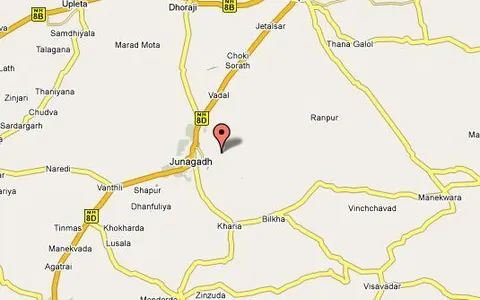
Bhavnath Fair
Bhavnath Fair of Gujarat takes place on the day of Maha Shivratri. On the very day, Bhavnath Mahadev temple is decorated and thousands of devotees across the…
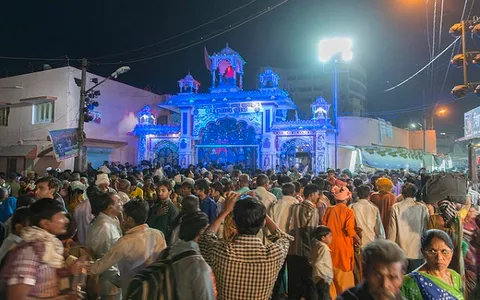
Chitra Vichitra Fair
Some of these fairs are held to celebrate the harvests of the local countryside farms along with the active shows of gymnasts and other tribal performers to regale…
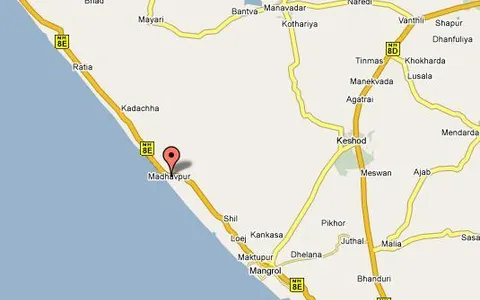
Madhavpur Fair
Madhavpur, situated in Gujarat, India, otherwise is a sleepy, silent town, which comes to life when the stirrings of the grand Madhavpur Fair, being held in…