Khijadia Bird Sanctuary
This protected area packs in an incredible diversity of ecosystems into the relatively small area of 6 square km. The sanctuary, created over the 1920s and '30s, is formed from two man-made dykes that separate fresh water from sea water, creating the opportunity to simultaneously observe species that belong to each ecosystem, and some that share both. Along with the marine and fresh water habitats, there are also marshy lands, mangroves, Prosopis areas, mudflats, salt pans, creeks, forest…
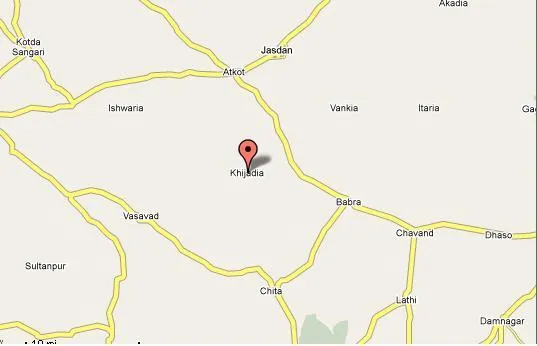
About Khijadia Bird Sanctuary
This protected area packs in an incredible diversity of ecosystems into the relatively small area of 6 square km. The sanctuary, created over the 1920s and ’30s, is formed from two man-made dykes that separate fresh water from sea water, creating the opportunity to simultaneously observe species that belong to each ecosystem, and some that share both. Along with the marine and fresh water habitats, there are also marshy lands, mangroves, Prosopis areas, mudflats, salt pans, creeks, forest scrub, sandy beaches, and even farmlands bordering the area. This provides a haven for more than 220 species of resident and migratory birds, including globally threatened species such as Dalmatian pelican, Asian open bill stork, Black-necked stork, Darter, Black-headed ibis, Eurasian spoonbill, and Indian skimmer, and provides birdwatchers with a delightful chance to sight rare birds in large numbers.
There are no overnight lodges, but facilities include watchtowers, trails, and paddleboats, to help visitors engage with this diverse community. As a visitor, keep in mind that conservation in any area is a difficult process, and that in Khijadia there have been complications with how water is used by local cultivators which affect the ecosystem within the tiny protected area, so if you’re interested, you can ask around about the issues, and find out what impact even your own visit has on the process.
As the Khijadia Bird Sanctuary at Gujarat lies on the western-most part of the country that falls on the traditional route of the migratory birds, a large number of such birds nests here in the winters. The Khijadia Bird Sanctuary, Jamnagar harbors a variety of migratory birds, the most common among them are the waterfowl. The Khijadia Bird Sanctuary at Gujarat recorded more that 200 species of birds that nests here. 90 species of waterfowl are traced in the Khijadia Bird Sanctuary at Gujarat. It is also the home to Great Crested Grebe.The Khijadia Bird Sanctuary, Jamnagar serves to be an important site for ecological research and education. The wet lands of the Khijadia Bird Sanctuary has high conservation value. The other types of endemic plant found in the Khijadia Bird Sanctuary in Gujarat are Cyperus dwarakensis, Prosopis chilensis and Tephrosea jamnagarensis. An unique habitat diversity is marked in the Khijadia Bird Sanctuary.
Interesting things to Visit
Importance Bird:
- Seasonal freshwater
- Creeks
- Intertidal mudflats
- Salt pans
- Saline land
Nearest Visiting places
Gaga Wildlife Sanctuary:
Gaga Wildlife Sanctuary is located along the coast of Gulf of Kutch in Gujarat. It covers an area of around 332.87hectare and has two plots of terrain, which are divided by wastelands and agricultural lands that falls in between them. The natural vegetation of the sanctuary comprises mostly of grassland along with saline shrubs. There are various rare species of plants that can be found here. Some of the common plants seen here are capparis, salvadora, prosopis juliflora, dichantheum, cyperus, suaeda etc.
Marine National Park:
Gujarat has the distinction of creating the country’s first Marine National Park spread over an area of nearly 458 sq.kms. in the Gulf of Kutch, 30 km. from Jamnagar. Here corals create fantasies in stone and are the master builders of the Park. Their limestone fortresses - those found near the Pirotan Islands and the rich moist deciduous forests like those found in the dense forests of the Danes. One of the most threatened birds, the great Indian bustard finds a refuge in certain pockets of protected areas.
Bohra Hajira:
Perhaps, one of the lesser known tourist destinations in Gujarat, a Tour To Jamnagar is, however, one of the best ways of knowing more about the rich culture and heritage of Gujarat as well as India. One of the finest relics of the rich regality that characterized most parts of India before her gain of independence, a visit to Jamnagar promises a trip of a life time. Providing, the tourists to the land with a number of important sights as well as several of the important tourist attractions of Jamnagar. Among these, are included the list ofBuilt in the year 1540, by Jam Rawal, who belonged to one of the most respected Royal dynasties of Gujarat, the history of Jamnagar can be said to be one of the richest histories in the entirety of the province of Gujarat. It is after Jam Rawal, that the city of Jamnagar was renamed to its present name. The previous name for the city was Nawagarh, a name which can be literally translated to mean New City. The Bohra Hajira in Jamnagar in Gujarat in India is one such monument, which can add pleasure to your visit to Jamnagar.
Lakhota Palace:
One of the most striking relics of the rich past of regal India, a Tour To Jamnagar is considered to be a definite must have if you are planning a tour itinerary to Gujarat. Almost the entirety of the erstwhile princely state of Jamnagar is still alive, resplendent in the rich glory of the times gone by, standing as a mute witness to the era of richness which still heavily influences the way of life of not just Jamnagar but the entirety of the province of Gujarat as well. Home to a history, which the city proudly protects even today, the long list of the various Forts and Monuments Of Jamnagar are led by, perhaps, the exotic beauty of the Lakhota Palace, Jamnagar.The History of Jamnagar states that the city was built in the year 1540, by Jam Rawal, who belonged to one of the most respected Royal dynasties of Gujarat. It is after Jam Rawal, that the city of Jamnagar was renamed to its present name. The previous name for the city was Nawagarh, a name which can be literally translated to mean New City. The Lakhota Palace in Jamnagar in Gujarat in India was built by the Jam dynasty as a royal arsenal, which could come handy in times of war.
Museum of Antiquities:
One of the most interesting aspects of planning a Tour to Jamnagar is the rich history and heritage of the land, a history, which can be said to be one of the olde3st histories of all the princely states of Saurasthra. Almost the entirety of the city of Jamnagar is dotted with some of the finest Forts and Monuments Of Jamnagar, which are led by, perhaps, the vast storehouse of antiquities as preserved in the Museum of Antiquities, Jamnagar. The Museum of Antiquities in Jamnagar is considered to a definite must include in your tour itinerary if you are planning a visit to the city of Jamnagar. Definitely noticeable as one of the most attractive tourist attractions in Jamnagar, almost the entirety of the complex of the Museum of Antiquities, Jamnagar has some secret or the other to share with the tourists to her land.According to the History of Jamnagar, as it is known today, it is said that the city was built in the year 1540, by Jam Rawal, who was born in one of the most respected Royal dynasties of Gujarat. It is after Jam Rawal, that the city of Jamnagar was renamed to its present name. The previous name for the city was Nawagarh, a name which can be literally translated to mean New City. The Museum of Antiquities in Jamnagar in Gujarat in India is today housed in the complex that was built by the Jam dynasty as a royal arsenal, which could come handy in times of war. Also known as the Lakhota Fort in Jamnagar, the complex was built as a royal arsenal that could be used by the soldiers during times of war or during times of need. It is this complex, which today houses the famous Museum of Antiquities, Jamnagar.
Rangmati River:
A definite must include, if you are planning a Tour to Gujarat, Jamnagar promises to charm all the tourists to her land. Rich in history as well as heritage, a Tour to Jamnagar is one of the easiest ways of knowing more about the rich heritage of Gujarat. Well maintained, almost the entirety of the city of Jamnagar is a sight for sore eyes, which has grown around the course of the Rangmati River, Jamnagar.Built by Jam Rawal in the year 1540, the city of Jamnagar has today grown to be one of the most populous cities in Gujarat. It is after Jam Rawal, that the city of Jamnagar was renamed to its present name. The previous name for the city was Nawagarh, a name which can be literally translated to mean New City. The city, which has grown and developed on the banks of the River Rangamati, owes much to this important life line of Jamnagar, which is today, one of the most popular Tourist Attractions in Jamnagar.
Adinath Mandir:
Like a host of other religious destinations in India, Jamnagar has a number of temples that, over the years, have borne the history of the land with them. Hence these Holy Places in Jamnagar are the primary source of Tourist Attractions in Jamnagar. The Adinath Mandir in Jamnagar, India is one such place of tourist interest.One of the distinguishing features of the Temples in Jamnagar is the fact that a good number of them belong to the Jain Sect. These Jain Temples in Jamnagar were built in memory of the lives of the various Tirthankaras (Jain Saints). Another underlying motive behind the foundation of such temples is to spread the religion of Jainism to the rest of the world.The Adinath Mandir, Jamnagar was built in memory of ‘Adinath’, who was the first Jain Tirthankara.All over the body of Adinath Mandir, Jamnagar, the life stories of the Tirthankaras are depicted by tableaux. The colors used in such forms of art like yellow, green, pink, orange and blue are usually blurred and indistinct. The murals also depict a wide range of flowers, Gods, people, and domestic objects which illustrate the stories even further.
Bhid Bhanjan Temple:
The city of Jamnagar, in Gujarat is known to have a few of the uncommon Temples in India. Hence, every year tourists from all over the world flock the city in large numbers to have a look at the finest gifts of history. Among these are visited by the tourists form various parts of India and the world. Among the Temples in Jamnagar, the Bhid Bhanjan Temple, Jamnagar deserves a special mention.The Holy Places in Jamnagar is the major Tourist Attractions in Jamnagar. The extensive history of the place is the reason for the presence of such significant structures.Historically, Jamnagar was a city as well as a district belonging to the State of Gujarat. Jamnagar district was known as ‘Nawanagar’ (meaning the new city), which was one of the most chief princely states of Saurashtra.Jamnagar was founded by Jam Rawal in 1540 A.D. It was he who was one of the ‘Jams’ (hereditary title of the rulers in those times). It was from this that the city of Jamnagar (city if the Jams) found its name.
The Bhid Bhanjan Temple is one of the many Temples in Jamnagar whose beauty and minute detailing in decoration has fascinated those who have already visited it.For those who haven’t, reaching Jamnagar is also not a problem at all. The place can be reached by various modes of transport. Flights of Indian (Indian Airlines) can take you to Jamnagar from Mumbai in Maharashtra or Bhuj in Gujarat. Jamnagar is also connected directly with Ahmedabad and Bombay through railway. Hapa Junction, which is 9 kilometers from Jamnagar, is a convenient point to drop at. Moreover, Jamnagar is also connected by a sound network of Roads. State Transport of Gujarat offers efficient two-way bus services from Jamnagar to the cities of Gujarat like:
Ranmal Lake:
Arguably one of the most enigmatic cities in Gujarat, a Tour To Jamnagar is, perhaps one of the best ways of knowing more about the rich culture and heritage of Gujarat as well as about the rest of India. Rich in a heritage which dates back to ages in history, a trip to Jamnagar reveals the rich past of the province of Gujarat. It is said that the city of Jamnagar grew up along the banks of her picturesque water bodies. These, are included the list of the various Lakes and Rivers Of Jamnagar, which are led by the exotic beauty of the Ranmal Lake, Jamnagar.The city of Jamnagar was built by Jam Rawal in the year 1540. It is after Jam Rawal, that the city of Jamnagar was renamed to its present name. The previous name for the city was Nawagarh, a name which can be literally translated to mean New City. The Ranmal Lake has much to contribute to the origins of Jamnagar, being as it has always been at the helm of affairs in Jamnagar. The city is famous for its peal fisheries, which are often done on the Ranmal Lake n Jamnagar.the most important tourist attractions of Jamnagar, a visit to the Ranmal Lake in Jamnagar is a definite must include if you are planning a tour itinerary to Jamnagar. One of the most impressive Lakes and Rivers in Jamnagar, the Ranmal Lake in Jamnagar greets you the moment you step into the city of Jamnagar. The Ranmal Lake in Jamnagar is also a haven for ornithologists and bird lovers who flock to its picturesque shores from all around the world. This is especially true during the winters in Jamnagar, when as high as around 75 species flock to the lake from several countries from around the globe. Tourists planning a trip to Jamnagar in winters can take the pleasure of watching these birds every morning when nature is at her peak.
Bala Hanuman Temple:
The city of Jamnagar in Gujarat has had an elaborate history that dates back to the time of its foundation in the year 1540 A.D. It is by virtue of this highly illustrated history that Jamnagar offers a wide range of attractions for its tourists. Among these Tourist Attractions in Jamnagar, the Holy Places in Jamnagar are visited by the tourists form various parts of India and the world. Among these, the Temples in Jamnagar and more importantly, the Bala Hanuman Temple, Jamnagar deserve a special mention.The History of Bala Hanuman Temple and that of Jamnagar is interrelated at least as far as the essence of the place is concerned. Jamnagar is a city as well as a district belonging to the State of Gujarat. Historically, Jamnagar district was known as ‘Nawanagar’ (meaning the new city), which was one of the most important princely states of Saurashtra.In 1540 A.D., Jamnagar was founded by Jam Rawal who was one of the rulers of the place. Today Jamnagar (meaning the city of the Jams) found its name from the hereditary title ‘Jam’ given to the rulers at that time.
Shantinath Mandir:
Temples in India as much as all over the world are thought to be the religious place of worship for the Hindus. Such places are generally found to belong to the Hindu Deities. This is where the specialty of the Temples in Jamnagar lies. A number of such Holy Places in Jamnagar belongs to the Jain Sect. Hence this is where majority of the Tourist Attractions in Jamnagar lie and Shantinath Mandir is certainly one of them.Shantinath Mandir in Jamnagar, India was built with the idea of spreading the Religion of Jainism to the rest of the world. The temple was named after Shantinath, who was the sixteenth ‘Jain Tirthankara’. Mentions of the Jain saints who are popularly known as the ‘Tirthankaras’ can be found in every nook and corner of the Jamnagar Shantinath Mandir.Located in the South-Western portion of Bedi Gate, in Jamnagar, the Shantinath Mandir is a temple that has amazed tourists belonging to any part of the world through its elaborate carvings. The walls of Shantinath Mandir are richly decorated with fine frescos as well as other wall paintings (murals), which illustrate the lives of various Tirthankaras. The life stories of these Jain Saints are shown by the tableaux. The muddled hues of yellows, greens, pinks, oranges and blues depict a wide range of flowers, people, Gods, and domestic objects also add to their tales.
Rozi and Bedi Ports:
Jamnagar, a city in the state of Gujarat is located in the Gulf of Kutch. Adinath Mandir sharp line of distinction can be drawn between the coastlines of Jamnagar to that of other sea coasts of India. Although the Jamnagar coastline is tidal by nature, yet they offer a few of the most spectacular beaches as well as picnic spots in the country.In addition to this, the presence of as many as 42 islands in this region makes the Gulf one of the most attractive touring destinations in India. One such destination is Rozi and Bedi Ports, Jamnagar.The Rozi and Bedi Ports in Jamnagar, India, has gained popularity due to the presence a number of picturesque picnic spots. However, the place gets its name from two of the major ports of the region by the name of Rozi and Bedi. These Ports of Rosy and Bedi are prominent trading hubs in the Arabian Sea.The Rozi and Bedi Ports, Jamnagar is a beautiful place for arranging picnics. This seaside picnic spot offers fishing facilities to the tourists. However, to enjoy such a pleasure, one has to take permission from the Fisheries Department.
Beyt Dwarka Beach:
Dwarka is a famous pilgrimage destination in India. In addition to luring the religious and emotionally inclined souls, Dwarka also attracts tourists from all over the world to visit its spectacular beaches. The Beyt Dwarka Beach, India is one of such beaches in India, which in spite of being located in a religious destination of Dwarka has attracted tourists from all walks of life.The Beyt Dwarka Beach gets its name due to its location in the Bet Island, about 30 kilometers from Dwarka and 148 kilometers away from Jamnagar. There are a number of factors which are responsible for making the Beyt Dwarka Beach in India gain the popularity that it actually has over the years.A variety of water birds crowd along the shores of the Arabian Sea and impart a charming feel to the surroundings. Even at dusk, one can get to see gathered in the same place.During the low tides one often becomes amazed to see dolphins often leaping out in the distant sea. In fact, the entire region around the Bet Island is rich in a variety of marine organisms. Dolphins, porpoise, sea turtles, octopus, starfish, sea urchins are the common species that are the permanent inhabitants of the islands. A flock of migratory birds are also known to visit the place every year.
Rukmini Hrid:
The seven ponds which are collectively known as “Rukmini Hrid” is considered to be the bestower of salvation and the destroyer of all the sins of a man. It is also known as “Bhrigu-teertha” due to the sage Bhrigu“s long association with this place. Taking a bath at Rukmini Hrid makes a man powerful and he does not become a beggar. He is also freed from the cycle of birth and death.
Mandvi Beach:
Kutch Mandvi is an important beach in Gujarat, situated at Mandvi. Mandvi is the historic port town of Maharao of Kutch, located at a distance of 75 km from Bhuj. Kutch Mandvi was once inhabited by the Maharao of Kutch and was an important seaport.Getting there View in map
Dwarka Lighthouse:
A notable name in the register of Forts and Monuments in Dwarka is Lighthouse in Dwarka. A port was established in the early 19th century at Rupen creek. Lighthouse in Dwarka is quite popular as a tourist destination. It presents an excellent panoramic sight of the setting sun which ushers the nightfall.
Porbandar Beach:
Amongst the many un-spoilt beaches of Gujarat is the beach of Porbandar on the southeast coast in between Veraval and Dwarka. As a seaport on the Arabian Sea Porbandar is picture prefect with the many beautiful beaches and beach villas.
Hotels/Lodge/Accommodation nearby Khijadia Bird Sanctuary
**Hotel President:**Teen Batt,Jamnagar,Gujarat,India
**Hotel Vishal:**Jamnagar,Gujarat,India
Help Line/Phone Number
Copyright 2016 HolidayLandmark All rights reserved
Location info
-
**Address:**Khijadia Bird Sanctuary ,Jamnagar,Gujarat,India
-
District: Jamnagar
-
Nearest City: Jamnagar
-
Best time to visit: December to April
Climate & weather
Temperatures of average maximum 28° Celsius in March/April. The average minimum falls to 22° Celsius in August/September.
History of Khijadia Bird Sanctuary
Khijadia Bird Sanctuary of Jamnagar, Gujarat occupies an area of 605 hectare revenue wasteland adjoining the coastal wetland. Khijadia Bird Sanctuary, Jamnagar was declared as Sanctuary in 1981, May under section 18 of the Wildlife (Protection) Act, 1972. The Marine Sanctuary of Jamnagar lies adjacent to the Khijadia Bird Sanctuary, Jamnagar near the Gulf of Kutch.
How to reach Khijadia Bird Sanctuary
-
**Nearest Railway Station:**Jamnagar ,raiway station.at 10 Km
-
**Nearest Airport:**Jamnagar airport at 10 Km
-
**Road Transport:**Regular buses ply between Khijadia National Park and Jamnagar, ensuring comfortable roadway communication.
Nearest petrol pump
- **Petrol pump:**Gulabnagar,Jamnagar,Gujarat,India
**
Cheater petrol pump:**Jamnagar,Gujarat,India
Best time to visit Khijadia Bird Sanctuary
November to March.
Timings & opening hours
6:00 AM to 6:00 PM daily.
Entry fee & tickets
INR 20 for Indians.
Duration needed
2 to 3 hours.
Safety tips
Follow sanctuary rules. Carry binoculars. Wear comfortable walking shoes. Carry water.
Things to carry
Binoculars, camera with telephoto lens, water bottle, hat, bird identification guide.
Nearest airport, railway & bus
Nearest airport and railway station in the nearest city.
Mobile network coverage
Airtel, Jio, and Vi all provide good coverage across Gujarat’s major cities and tourist areas. 4G is generally reliable in Ahmedabad, Vadodara, Surat, and along major highways. Coverage may be weaker in remote areas of Kutch and interior Saurashtra. Most hotels and cafes in tourist areas offer free Wi-Fi.
Food & restaurants nearby
Food options are available in the nearest town. Traditional Gujarati thali restaurants and local eateries offer a range of vegetarian dishes.
Things to do at Khijadia Bird Sanctuary
Bird watching, nature walks, photography, and enjoying the wetland ecosystem.
Frequently asked questions
What is the best time to visit Khijadia Bird Sanctuary? November to February for migratory birds.
What birds can be seen? Flamingos, pelicans, cranes, storks, and ducks.
Is prior booking needed? Recommended.
Accessibility
Accessibility information is not currently available for this site. Contact the venue directly or check with your accommodation for the latest accessibility details.
Rules & restrictions
Standard visitor rules apply. Check locally for any specific restrictions at this site.
Best photography spots
The best photography spots are typically during the golden hours (early morning and late afternoon). Scout the location first to identify the best angles, and consider the direction of light at different times of day.
Quick facts
- Type: bird-sancturies
- Location: Gujarat, India
- Ideal for: History enthusiasts, cultural travelers, and photographers
- Best time to visit: October to March (pleasant winter season)
- Photography: Allowed at most areas; some sites may have restrictions inside sanctums
Plan your visit to Khijadia Bird Sanctuary with these essential quick facts for a smooth and enjoyable trip to Gujarat.
Visitor information
Planning your visit to Khijadia Bird Sanctuary
- Language: Gujarati is the local language; Hindi and English are widely understood at tourist sites.
- Getting around: Auto-rickshaws, taxis, and state transport buses are readily available. Hiring a private vehicle is recommended for comfort.
- What to wear: Light cotton clothing in summer; light woolens in winter. Comfortable walking shoes are essential. Modest dress is advised at religious sites.
- Photography: Check for photography restrictions before entering. Some temples and museums may charge a separate camera fee.
- Best time to visit: October to March when the weather is pleasant for sightseeing.
- Local cuisine: Don’t miss Gujarati thali — a wholesome meal with dal, rice, vegetables, roti, and sweets like dhokla, khandvi, and mohanthal.
Nearby facilities
- ATMs: Available in nearby towns and at major tourist sites.
- Medical facilities: Primary health centers and hospitals can be found in district headquarters.
- Restrooms: Public restrooms are available at major tourist spots; carry hand sanitizer and tissues.
Make your visit to Khijadia Bird Sanctuary comfortable and hassle-free with these practical visitor tips for Gujarat.
Map & location view
Khijadia Bird Sanctuary is located in the vibrant state of Gujarat, India. The destination is accessible by road and is well-connected to major cities and towns in the region, making it a convenient addition to any Gujarat travel itinerary.
How to reach
- By Air: The nearest airport is connected to major Indian cities including Mumbai, Delhi, Ahmedabad, and Vadodara with regular domestic flights.
- By Rail: The nearest railway station is connected to the Indian railway network with regular trains from major cities across India.
- By Road: State transport buses, private taxis, and self-drive options are available from nearby cities. Gujarat has a well-maintained network of state highways and national highways.
Use GPS navigation or local maps to find the exact location of this destination in Gujarat. The Gujarat Tourism website provides additional travel resources for visitors.
Photo gallery
Visual highlights of Khijadia Bird Sanctuary
Visitors to Khijadia Bird Sanctuary will find plenty of photogenic spots worth capturing. From architectural details to natural landscapes, the destination offers diverse subjects for photography enthusiasts.
What to photograph:
- Architecture: Intricate carvings, structural details, and traditional Gujarati craftsmanship
- Landscapes: Surrounding natural beauty, gardens, and panoramic views of the Gujarat landscape
- Local life: Candid moments of visitors, vendors, and daily activities around the site
- Details: Close-up shots of carvings, paintings, decorative elements, and textures
Photography tips:
- Early morning (6:00 AM – 8:00 AM) and late afternoon (4:00 PM – 6:00 PM) offer the best natural light for photography in Gujarat’s climate
- Check if photography is allowed inside buildings before taking photos
- A wide-angle lens is ideal for capturing architectural grandeur at Gujarat’s heritage sites
- Mobile phone photography works well in well-lit outdoor areas
Browse through our collection of photographs showcasing the beauty and heritage of Khijadia Bird Sanctuary. New images are added regularly as part of our ongoing content enrichment for this Gujarat destination.
Photo gallery of Khijadia Bird Sanctuary
Video gallery
Related destinations
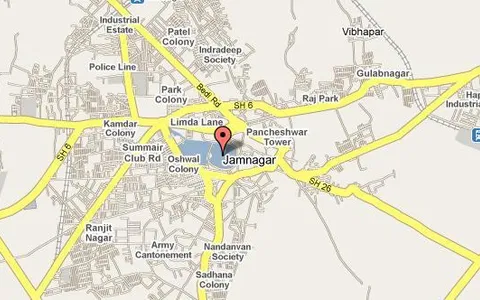
Gaga Wildlife Sanctuary
On the coastal areas of Gulf of Kutch enclosed by high tidal zone in the north and pastoral fields and wastelands on the other verge the Gaga Wildlife Sanctuary in…
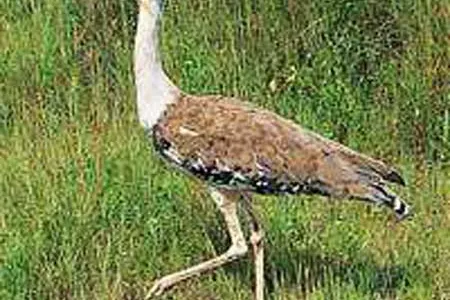
Kutch Bustard Sanctuary
To protect these endangered wild birds, the Government has taken action and the Bustard Sanctuary in Kutch is now a flourishing home to these birds.The area is…
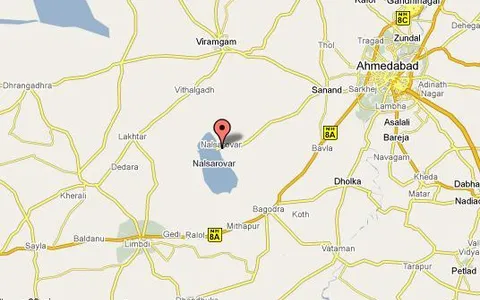
Nal Sarovar Bird Sanctuary
When food and water are scarce in Nalsarovar, some birds go away for short periods to nearby areas and return to the lake after monsoon to a feast of fish and…