Archaeological Museum Of Goa
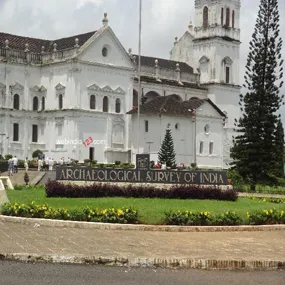
Archaeological Museum and Portrait Gallery was set up in 1964 and reorganised in 1981–82 and it is run by the Archaeological Survey of India. It keeps some beautiful pieces of sculpture from Hindu temple sites in Goa. Some of the main sculptures of Sati stones and Portuguese poet Luiz Vaz de Camoos and Portuguese conqueror Afono de Albuquerque.
Quick facts
| Address | Church Complex, Old Goa Road, North Goa, Velha Goa, Goa 403402. |
|---|
About Archaeological Museum Of Goa
About Archaeological Museum Of Goa
Main attraction in Archaeological Museum
The main attraction is that it contains several ancient Persian and Arabic inscriptions, weapons used by the Portuguese army and such related artifacts. All of these items showcase an all-pervasive Portuguese involvement in Goa’s history.
Hours: Archaeological Museum Open time is 9 AM ⋅- Closes 5 PM and Fridays Closed.
Best time to visit Archaeological Museum Of Goa
November to February. Visit mid-morning after the museum opens. Combine with the Old Goa church circuit for a half-day heritage outing.
How to reach Archaeological Museum Of Goa
Located in Old Goa, about 10 km from Panaji. The nearest railway station is Karmali, about 5 km away. Buses from Panaji to Old Goa are frequent. It is within walking distance of Bom Jesus Basilica and Se Cathedral.
Timings & opening hours
Open daily from 10:00 AM to 5:00 PM. Closed on Fridays. Confirm holiday closures locally.
Entry fee & tickets
Approximately ₹20–25 for Indian citizens. Higher rates for foreign nationals (typically ₹200–300).
Duration needed
45 minutes to 1.5 hours, depending on your interest in the exhibits.
Safety tips
No flash photography. Some galleries may restrict photography entirely — check at the entrance. Do not touch exhibits. Maintain quiet inside.
Things to carry
Water, comfortable walking shoes.
Travel tips & suggestions
The museum houses an excellent collection of Portuguese-era portraits of governors and viceroys, Hindu and Jain sculptures, Persian and Arabic inscriptions, coins, and stamps. It is managed by the Archaeological Survey of India. The building itself, the former convent of St. Francis of Assisi, is historically significant. Combine with the adjacent church and the broader Old Goa heritage circuit.
Nearby visiting places
Bom Jesus Basilica, Se Cathedral, Church of St. Francis of Assisi (the church is adjacent), and Church of St. Cajetan are all in the immediate area.
Nearest airport, railway & bus
Karmali Railway Station (~5 km). Panaji bus stand (~10 km). Taxis and rented scooters from Panaji.
Food & restaurants nearby
Food options near the museum may be limited. The nearest town or beach area typically has restaurants and cafes. Carrying water is recommended — most museums do not allow food inside.
Hotels & accommodation nearby
Accommodation is available in the nearest town or beach area. Options range from budget guesthouses to mid-range hotels. If visiting multiple museums in South Goa, basing yourself in or near Margao provides good access.
Mobile network coverage
Airtel, Jio, and Vi all provide coverage across Goa. In beach areas and towns, 4G is generally reliable. Coverage may be weaker in remote interior locations or along certain coastal stretches. Most hotels and cafes in tourist areas offer free Wi-Fi.
Location info
Old Goa, housed in the convent of the Church of St. Francis of Assisi.
History of Archaeological Museum Of Goa
The Archaeological Museum is housed in the former Convent of St. Francis of Assisi, built in the 16th–17th centuries by the Franciscan order. It was converted into a museum in 1964 by the Archaeological Survey of India (ASI). The convent’s closure in 1835 followed the Portuguese banning of religious orders, and the building served various administrative purposes before its museum transformation. It is part of the UNESCO World Heritage Site.
Things to do at Archaeological Museum Of Goa
Explore 8 galleries spanning Hindu sculpture, Portuguese-era artefacts, hero stones, coins, weapons, and furniture, view the portrait gallery of Portuguese viceroys and governors, see the model of a 16th-century Portuguese ship, and examine the pre-colonial Konkan and Kadamba period sculptures.
Things to visit & highlights
The portrait gallery of Portuguese viceroys (64 portraits), the 16th-century Portuguese ship model, the Hindu hero stones (viragal) from the Kadamba period, and the collection of rare coins and stamps.
Climate & weather
Goa has a tropical monsoon climate with three distinct seasons. Winter (November–February) is the peak tourist season: temperatures range from 20°C to 32°C with low humidity, clear skies, and calm seas — ideal for all outdoor activities. Summer (March–May) is hot and humid with temperatures reaching 35°C; beaches are less crowded but midday heat can be intense. The monsoon (June–September) brings heavy rainfall, rough seas, and high humidity; many beach shacks close, but the landscape is lush and green, and it is the quietest time for those seeking solitude.
Helpline & emergency contacts
Tourist Helpline: 1364. Police (Old Goa): +91-832-2285116. Ambulance: 108.
Nearest petrol pump
Petrol pumps are located on the Panaji–Old Goa road, about 3–5 km from the museum.
Frequently asked questions
What are the museum timings? 9:00 AM to 5:00 PM (Saturday to Thursday). Closed on Fridays and public holidays.
How much is the entry fee? ₹10 for Indian adults, ₹10–25 for foreign tourists, children under 15 free.
Is the museum in a historic building? Yes — it is housed in the former Convent of St. Francis of Assisi, a UNESCO World Heritage Site.
Accessibility
Museum accessibility varies. Major museums in Goa (Archaeological Museum, Museum of Christian Art) have level access or ramps at the entrance. Smaller, privately-run museums in older buildings may have steps and narrow doorways. Contact the museum in advance for specific accessibility information.
Rules & restrictions
Photography rules vary — some museums prohibit all photography, others allow photography without flash. Check signage at the entrance. Do not touch exhibits. Food and drinks are not permitted inside most museums. Large bags may need to be checked. Follow the designated visitor route and respect gallery closures. Use audio guides and headsets if provided.
Best photography spots
Check the museum’s photography policy before shooting — some prohibit all photography. For permitted photography, use available light — flash is rarely allowed. Focus on details: artefact textures, gallery compositions, and architectural features of the museum building itself. The best museum photos tell a story about the collection rather than trying to capture everything.
Visitor information
- Entry fee: Rs. 10 for Adults.
Map & location view
This section is being updated and will be available shortly.
Photo gallery of Archaeological Museum Of Goa
Video gallery
Related destinations
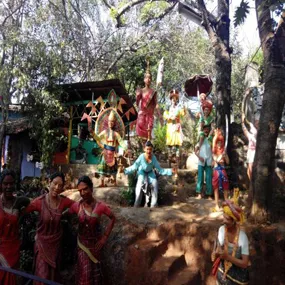
Big Foot Cross Museum
Big Foot Museum also known Ancestral Goa. A small Goa village is set up to recreate the old days of rural life, it is privately run by an artist named Artist Mender…
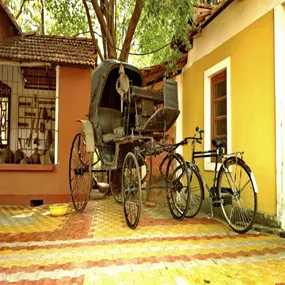
Goa Chitra Museum
The Goa Chitra museum is one of the finest museums in Goa by the Archeological Survey of India. This is amongst a handful of museums of Goa consolidate artifacts…
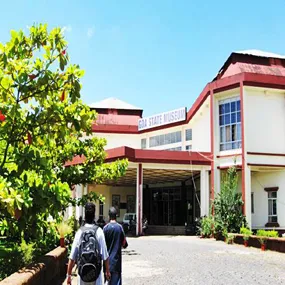
Goa State Museum Panaji
The museum was built in 1973 as an archaeological museum of the Department of Archives in Goa, which was transferred in Patto and it was re-inaugurated in 1996. The…