MOTOSHARE 🚗🏍️
Rent Bikes & Cars Directly from Owners
Motoshare connects vehicle owners with people who need bikes and cars on rent. Owners earn from idle vehicles, and renters get flexible ride options.
Visit Motoshare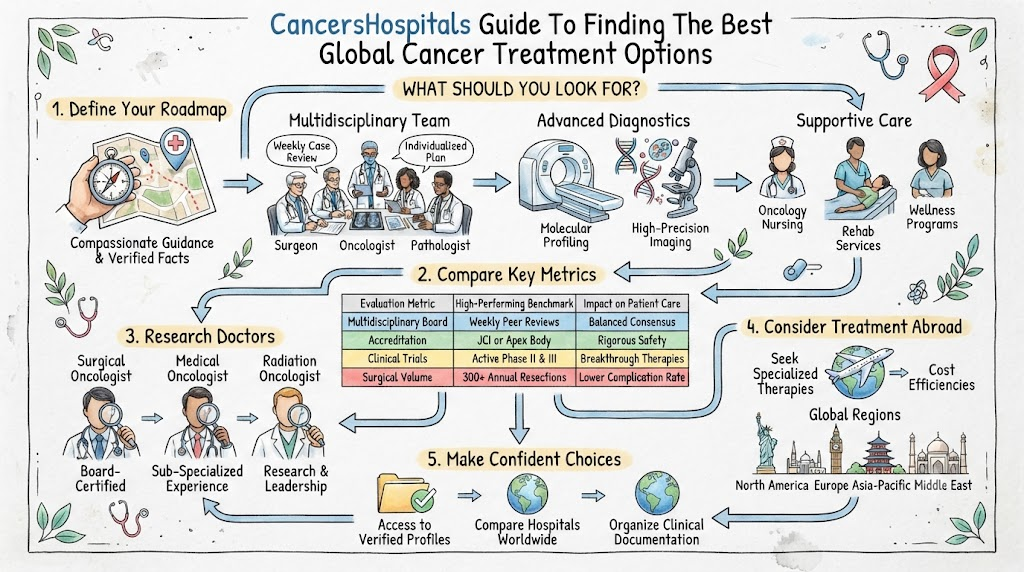
Introduction
Receiving a serious diagnosis often feels overwhelming, but having the right roadmap brings clarity and confidence. Navigating medical pathways requires clear direction, verified facts, and compassionate guidance. Finding the best oncology care demands structured research into clinical standards, advanced technologies, and specialized surgical teams worldwide.
Patients and families need reliable tools to evaluate top clinical institutions across multiple regions. This is where CancersHospitals serves as an independent medical discovery platform. The platform connects patients with comprehensive details regarding accredited healthcare providers, modern oncology services, and experienced clinical teams to help them make confident, well-informed choices.
What Should You Look for in Cancer Hospitals?
Selecting a center requires looking beyond standard facility ratings. Top institutions maintain multidisciplinary tumor boards where medical oncologists, surgical oncologists, radiation specialists, pathologists, and radiologists collaborate to review complex cases. This collaborative approach ensures every patient receives an individualized, evidence-based roadmap tailored precisely to their specific diagnosis.
Advanced diagnostic infrastructure is another key pillar of high-quality clinical care. Leading centers offer molecular profiling, next-generation sequencing, and high-precision imaging like digital PET-CT scans to pinpoint cellular mutations. When evaluating potential cancer hospitals, prioritize facilities that pair state-of-the-art diagnostic testing with certified supportive care, dedicated oncology nursing, and structured patient rehabilitation services.
Understanding Cancer Treatment Options
Modern oncology provides targeted modalities tailored to distinct tumor markers and genetic profiles. Systemic therapies have expanded beyond traditional cytotoxic chemotherapy to include advanced immunotherapies, monoclonal antibodies, and precision cellular treatments that target malignant cells while sparing healthy tissue.
Surgical and radiation oncology have also advanced significantly. Techniques such as stereotactic radiosurgery, proton beam therapy, and robotic-assisted tumor resections allow clinicians to treat hard-to-reach tumors with exceptional precision. Comprehensive oncology hospitals integrate these cutting-edge interventions with patient-first wellness programs to minimize treatment side effects and improve long-term recovery outcomes.
How to Compare the Best Cancer Treatment Hospitals
Comparing global medical institutions requires evaluating objective clinical performance metrics rather than promotional claims. Focus on independent international accreditations, historical procedure volumes, published clinical survival rates, and nurse-to-patient ratios across specialized cancer treatment hospitals.
| Evaluation Metric | High-Performing Benchmark | Impact on Patient Care |
| Multidisciplinary Board | Weekly peer reviews for all cases | Delivers balanced, consensus-driven treatment plans |
| Accreditation Standards | JCI or national apex healthcare accreditation | Ensures rigorous patient safety and clinical protocols |
| Clinical Trial Access | Active Phase II & Phase III trials | Provides pathways to breakthrough therapies |
| Surgical Volume | 300+ annual specific tumor resections | Correlates directly with lower complication rates |
Researching the Best Cancer Doctors
A successful outcome depends directly on the expertise of your primary clinical team. Look for board-certified specialists who focus specifically on your exact sub-type of cancer. Sub-specialized oncologists bring deep practical experience, understand rare cellular variations, and remain at the leading edge of emerging global protocols.
Review the specialist’s academic contributions, published peer-reviewed research, and active leadership roles in international oncology societies. The best cancer doctors maintain active clinical trial networks, maintain transparent communication regarding prognosis and risks, and actively encourage comprehensive multidisciplinary second opinions before initiating complex treatment protocols.
- Surgical Oncologists: Look for fellowship-trained surgeons with high case volumes in organ-preserving, minimally invasive, or robotic procedures.
- Medical Oncologists: Choose experts who specialize in genomic profiling, targeted therapy selection, and modern immunotherapy protocols.
- Radiation Oncologists: Seek specialists certified in image-guided radiotherapy (IGRT), proton therapy, and high-dose brachytherapy.
When Should You Consider Cancer Treatment Abroad?
Traveling internationally for healthcare becomes a viable strategy when domestic options are limited by high costs, long waiting lists, or unavailable treatments. Highly specialized therapies like carbon ion therapy, particular clinical trials, or specific complex surgeries may only be available in select global centers of excellence.
Seeking cancer treatment abroad can offer substantial cost efficiencies while maintaining high clinical quality standards. Many internationally accredited hospitals feature dedicated international patient wings with native-language coordinators, expedited scheduling, visa support, and comprehensive concierge care to make the overseas treatment journey seamless.
Exploring Cancer Hospitals Around the World
Top medical destinations combine advanced technology, world-renowned clinical expertise, and efficient administrative systems. Selecting the best hospital for cancer treatment involves balancing clinical specialization, travel logistics, and overall budget requirements.
- North America & Western Europe: Centers of excellence recognized for cutting-edge clinical trials, pioneering cellular therapies, and academic research depth.
- Asia-Pacific (India, South Korea, Singapore): Renowned for cost-effective care, rapid appointment scheduling, robotic surgical precision, and globally trained oncology specialists.
- Middle East (UAE, Turkey): Rapidly expanding healthcare hubs offering JCI-accredited facilities, state-of-the-art radiation equipment, and specialized medical tourism coordinators.
How CancersHospitals Can Help With Your Research
Independent research can quickly become overwhelming during an already stressful time. The platform provides a structured, searchable directory that compiles verified clinical profiles, treatment availability, institutional credentials, and physician backgrounds into one centralized resource.
By eliminating information fragmentation, patients can easily evaluate the best cancer hospitals in the world based on diagnosis and geographic preferences. The platform simplifies comparative medical research, helping patients identify the best cancer treatment hospitals and organize clinical documentation without high stress or confusion.
Questions to Ask Before Choosing a Hospital
- What specific accreditations and clinical safety ratings does the hospital maintain?
- How many surgical procedures or therapeutic protocols does the team perform annually for this exact diagnosis?
- Does a dedicated multidisciplinary tumor board review my case before finalizing the plan?
- What advanced diagnostic technologies and precision therapies are available on-site?
- What emergency support services and intensive care facilities are accessible if complications arise?
- What international patient services are provided, including language translation and travel coordination?
Frequently Asked Questions About CancersHospitals
What is the primary function of this healthcare platform?
It operates as an independent discovery platform designed to help patients research, compare, and connect with accredited cancer hospitals, oncology specialists, and international medical treatment centers worldwide.
Does the platform provide medical diagnoses or prescribe treatment plans?
No, the platform is strictly an informational and educational research resource that does not replace professional medical evaluations, clinical diagnoses, or direct treatment advice from qualified healthcare providers.
How does the platform assist patients seeking international medical travel?
The resource organizes institutional data, regional accreditations, specialist profiles, and treatment pathways to help patients evaluate the logistics, costs, and clinical capabilities of international cancer treatment.
Are the listed medical centers independently accredited?
The directory highlights hospitals holding recognized national and international healthcare accreditations, helping patients identify institutions with verified safety, operational, and clinical care standards.
Can patients compare different oncology treatment modalities on the site?
Yes, patients can explore detailed educational information regarding surgical oncology, advanced radiation methods, systemic chemotherapy, immunotherapies, and precision targeted options across various clinical facilities.
How does the platform help users find top-tier oncology doctors?
The platform catalogs physician profiles by medical sub-specialty, clinical focus areas, research backgrounds, and institutional affiliations to help users identify the best cancer doctors for their needs.
Is there a cost for patients to browse hospital and doctor profiles?
No, patients and families can freely access directory listings, educational resources, and institutional comparison tools to assist with their independent medical care research.
Can patients find clinical trials through the platform?
The platform helps users locate research-focused cancer treatment hospitals that actively conduct clinical trials and offer access to innovative, next-generation therapeutic protocols.
How often is the hospital and specialist information updated?
Institutional profiles, specialist qualifications, and clinical capabilities are regularly reviewed and updated to ensure patients receive accurate, relevant data for their decision-making.
What steps should patients take after finding a suitable hospital?
Patients should gather their complete diagnostic records, request an official consultation or second opinion with the hospital’s clinical team, and verify all travel and financial arrangements prior to treatment.
Final Thoughts
Navigating an oncology diagnosis requires a careful balance of clear facts, clinical expertise, and timely decision-making. Finding the right medical facility gives you access to modern therapies, seasoned specialists, and comprehensive supportive care tailored to your exact condition.
Equipping yourself with verified data allows you to advocate effectively for your health or support a loved one through their care journey. Structured exploration, second opinions from experienced specialists, and thorough reviews of global treatment options ensure that every medical step is taken with absolute clarity and peace of mind.
