Find the Best Cosmetic Hospitals — Choose with Confidence
Discover top cosmetic hospitals in one place and take the next step toward the look you’ve been dreaming of.
“Your confidence is your power — invest in yourself, and let your best self shine.”
Compare • Shortlist • Decide smarter — works great on mobile too.
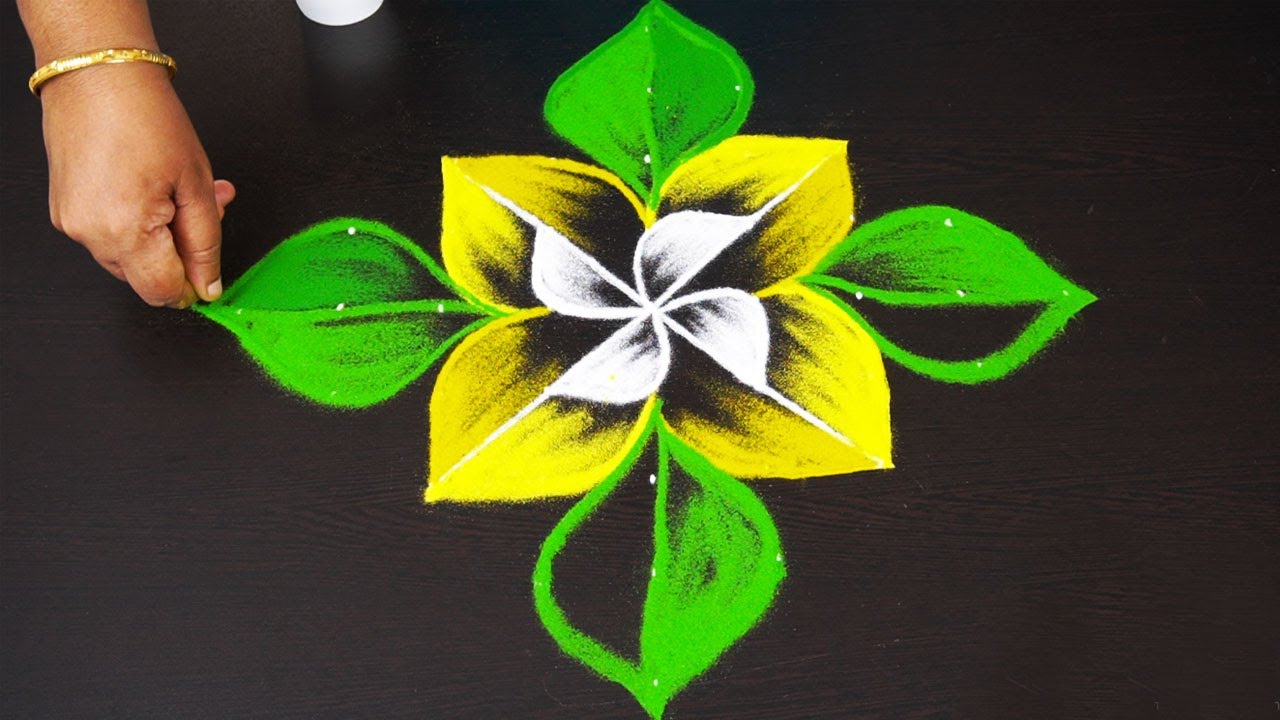
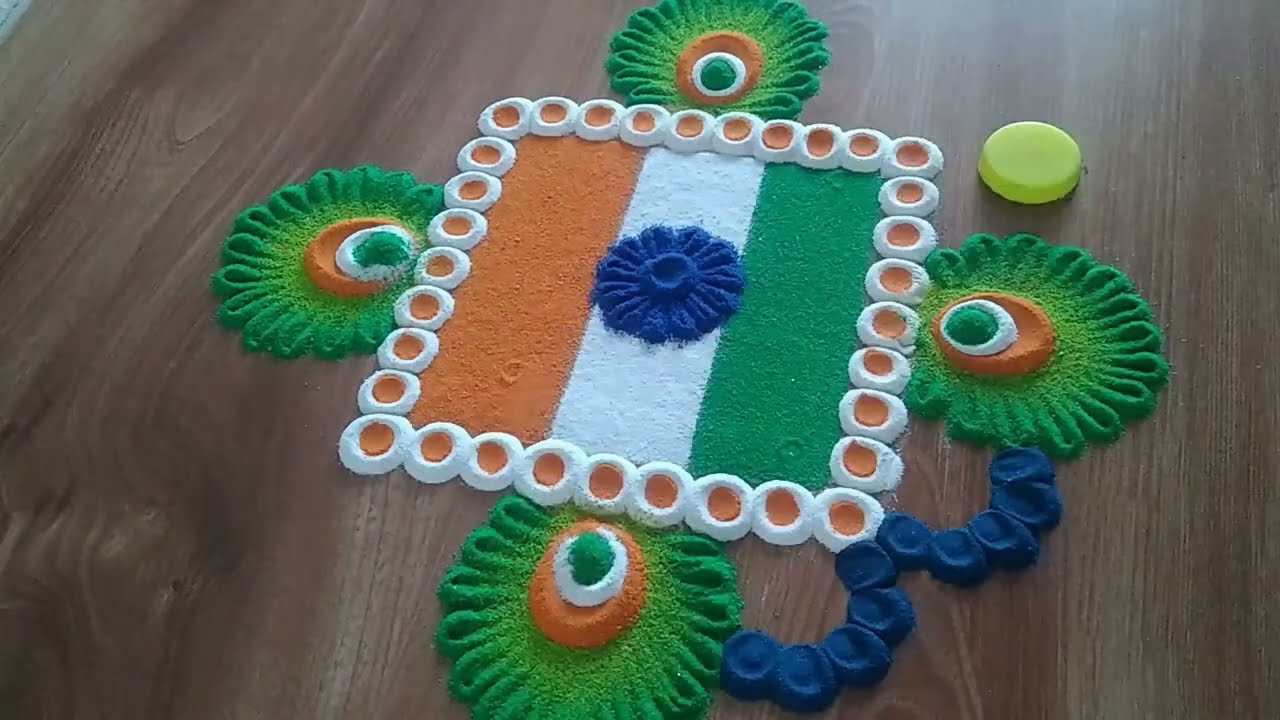
Kolam
| About: |
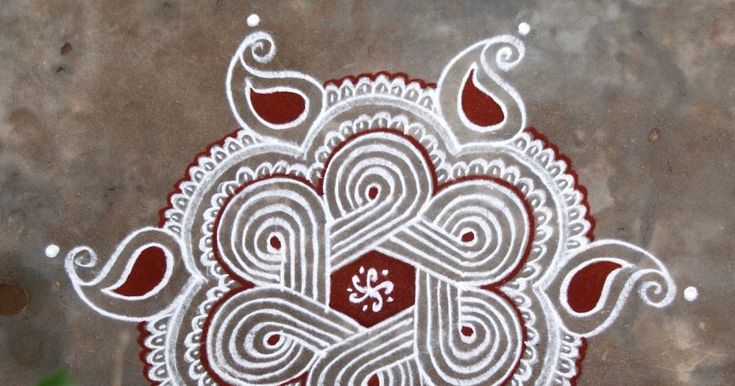
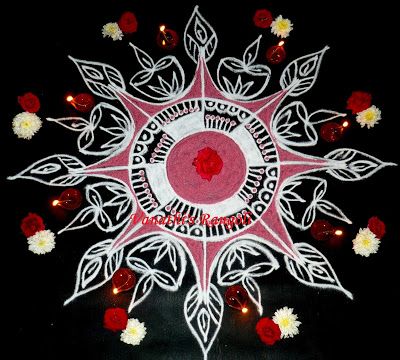
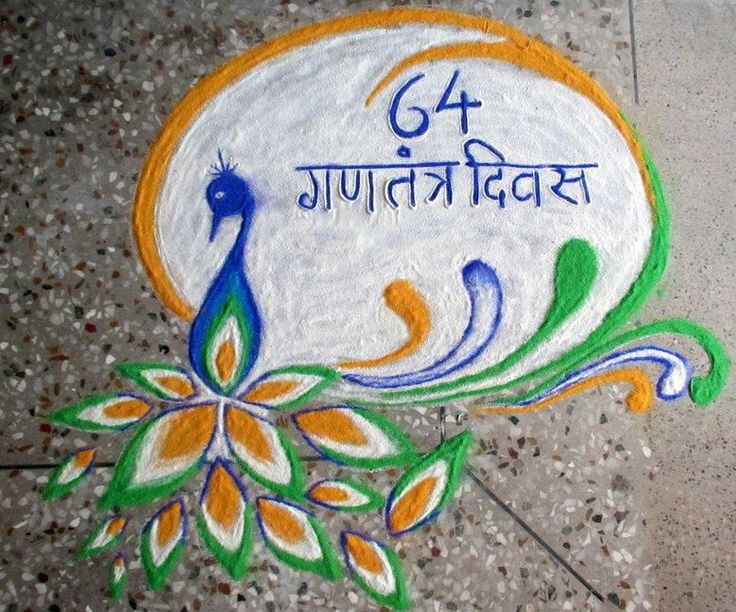
| Kolam is the name given to the art of Rangoli in southern parts of the country. The Hindus residing in these parts make use of this art form on a large scale. The female members of the house usually draw Kolam designs in front of their homes, with the help of rice powder. Limestone and red brick powder are also used on special occasions. Kolam is regarded as a sort of painted prayer in South India. The design usually comprises of a symmetric line drawing, which comprises of curved loops, drawn around a crisscross pattern of dots.In a South-Indian home, it is believed Kolam design bestows prosperity and success. Though the design is generally drawn with the help of dry rice flour, diluted rice paste is also made use of, especially when one intends to signify longevity. At times, paints and chalks are also used to draw the design. In case of special occasions, such as marriages,ritual Kolam patterns can stretch all the way from the courtyard to the street. The patterns are often passed on from generation to generation,like from a mother to her daughter. Though less ostentatious than Rangoli, Kolam art of Tamil Nadu and Kerala is considered as outstanding in its beauty. |
| Location: |
| South-India |
| History: |
| Apart from being used for decoration, Kolam serves other purposes also.One of the uses of Kolam is to provide food to the ants. Since the designs are made with the help of coarse rice flour, they provide an easy as well as readily available source of food supply for the ants. At the same time, it is said that rice powder attracts birds and other small critters. Thus, the design is a sort of invitation to all, especially Goddess Lakshmi – the Goddess of prosperity, into one’s home and everyday life. Then, there are health benefits of Kolam. Since one has to bend down to make the pattern, it brings about an improvement in the digestive system and reproductive organs and also serves as an overall stretching exercise for the body. The ability to draw large complicated patterns without lifting the hand off the floor or unbending to stand up is believed to be a matter of pride for the South Indians. |
| Features: |
| Kolams are thought to bestow prosperity to homes. Every morning in southern India, millions of women draw kolams on the ground with white rice powder. Through the day, the drawings get walked on, rained out, or blown around in the wind; new ones are made the next day. Every morning before sunrise, the floor is cleaned with water, the universal purifier, and the muddy floor is swept well for an even surface. The kolams are generally drawn while the surface is still damp so that it is held better. Occasionally, cow-dung is also used to wax the floors. Cow dung has antiseptic properties and hence provides a literal threshold of protection for the home. It also provides contrast with the white powder.Decoration was not the sole purpose of a Kolam. In olden days, kolams used to be drawn in coarse rice flour, so that the ants don’t have to work so hard for a meal. The rice powder is said to invite birds and other small critters to eat it, thus inviting other beings into one’s home and everyday life: a daily tribute to harmonious co-existence. It is a sign of invitation to welcome all into the home, not the least of whom is Goddess Lakshmi, the Goddess of prosperity. The patterns range between geometric and mathematical line drawings around a matrix of dots to free form art work and closed shapes. Folklore has evolved to mandate that the lines must be completed so as to symbolically prevent evil spirits from entering the inside of the shapes, and thus are they prevented from entering the inside of the home |
| Usefull Links |
| wikipedia: http://en.wikipedia.org/wiki/Kolamculturalindia.net:http://www.culturalindia.net/indian-art/rangoli/kolam.html |
Image Gallery of Art and Craft-Kolam

I am a passionate traveler, city explorer, and digital publisher focused on documenting real journeys, local cultures, and everyday travel experiences across India and beyond. Through my platforms, I share practical travel guides, city blogs, and daily travel logs that help readers explore destinations with confidence and local insight.
I am the creator of HolidayLandmark, a travel-focused ecosystem covering destinations, stories, and experiences through blogs, social platforms, and curated travel content:
- Instagram – HolidayLandmark
- Facebook – HolidayLandmark
- YouTube – HolidayLandmark
- LinkedIn – HolidayLandmark
- X (Twitter) – HolidayLandmark
- HolidayLandmark on Blogger
- HolidayLandmark on WordPress
- HolidayLandmark Stories
Alongside HolidayLandmark, I manage multiple city-focused travel portals where I publish daily travel logs and in-depth city blogs covering local attractions, food, culture, and real traveler experiences:
City Daily Travel Logs
- Bangalore Orbit – Daily Logs
- Bhopal Orbit – Daily Logs
- Chennai Orbit – Daily Logs
- Gujarat Orbit – Daily Logs
- Kerala Orbit – Daily Logs
- Mera Apna Bihar – Daily Logs
- Mumbai Orbit – Daily Logs
City Blogs & Travel Guides
- Bangalore Orbit – Blog
- Bhopal Orbit – Blog
- Chennai Orbit – Blog
- Gujarat Orbit – Blog
- Kerala Orbit – Blog
- Mera Apna Bihar – Blog
- Mumbai Orbit – Blog
Through these platforms, my goal is to create a connected travel network that offers reliable city information, real-time travel experiences, and practical guidance for travelers, explorers, and local enthusiasts.